 Save
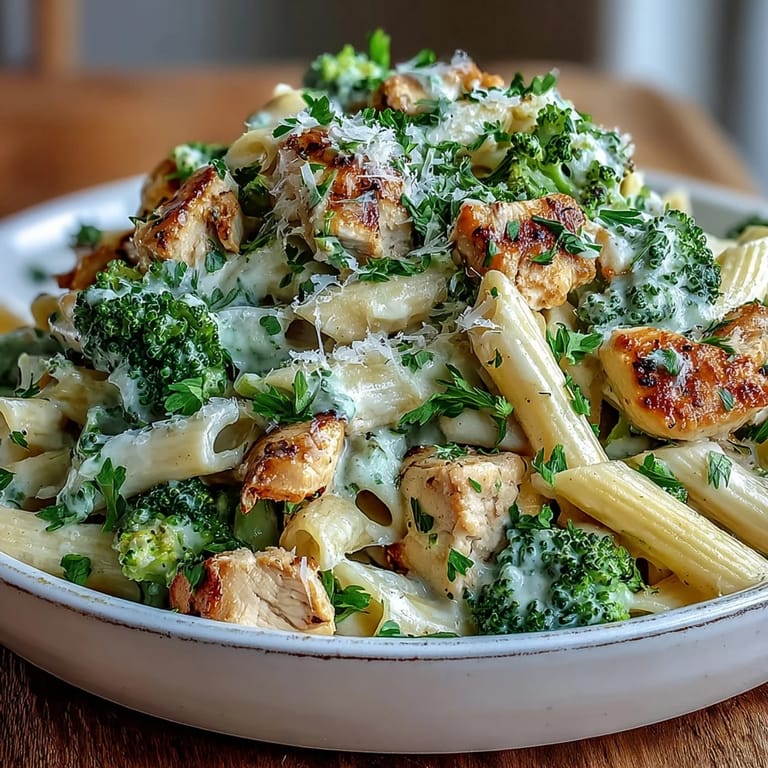
Save There's something about the smell of garlic hitting hot butter that makes you stop whatever you're doing and pay attention. One weeknight, I was staring at my pantry wondering what could possibly come together in under 40 minutes, and my eyes landed on pasta, chicken, and broccoli—the holy trinity of weeknight desperation. What happened next became the dish I now make whenever I need something that tastes like actual comfort but doesn't require me to stand around stirring cream sauce for an hour.
I made this for my sister who'd just moved into her first apartment, armed with nothing but a skillet and optimism. Watching her face light up when she realized she could actually cook something this creamy and restaurant-quality in her tiny kitchen was the moment I knew this recipe had staying power. She's made it probably 30 times since, and texts me photos of it like it's her greatest achievement (and honestly, it kind of is).
Ingredients
- Boneless, skinless chicken breasts: Diced into bite-sized pieces so they cook quickly and absorb all the garlicky richness without drying out—the key is not overworking them in that initial sauté.
- Broccoli florets: Fresh is non-negotiable here because frozen can get waterlogged and weird when cooking directly in the creamy sauce.
- Garlic and yellow onion: The onion softens into the sauce while the garlic blooms in the butter, creating this sweet, mellow backbone that ties everything together.
- Short pasta: Penne or fusilli work beautifully because they actually cook in the skillet with the broth, absorbing flavor from the moment they hit the pan.
- Whole milk and heavy cream: The combination matters—milk alone would be too thin, but cream alone is heavy; together they create a sauce that's luxurious without being cloyingly rich.
- Parmesan cheese: Freshly grated makes a noticeable difference; pre-grated versions have anti-caking agents that make the sauce grainy instead of silky.
- Butter and olive oil: The butter carries flavor while the olive oil keeps things from burning, and honestly this combo is why the aromatics taste so good.
- Chicken broth: Low-sodium is important because the Parmesan adds plenty of salt, and you want control over the final seasoning.
- Italian herbs: Dried works perfectly here because they bloom in the heat and distribute throughout without overpowering anything.
Tired of Takeout? 🥡
Get 10 meals you can make faster than delivery arrives. Seriously.
One email. No spam. Unsubscribe anytime.
Instructions
- Get the pan ready and sear the chicken:
- Heat olive oil and butter together over medium heat until the butter's foaming and smells incredible, then add your chicken pieces. Don't crowd the skillet—let them sit for a minute before stirring so they get a little golden crust that locks in flavor.
- Build the aromatic foundation:
- Once the chicken's out of the way, add your onion to those browned bits on the bottom of the skillet and let it go translucent and sweet, about 2 minutes. Then add garlic for just 30 seconds—you want it fragrant, not brown and bitter.
- Start the pasta in broth:
- Stir the uncooked pasta into all that garlicky goodness, then pour in your broth, milk, and Italian herbs. Bring it to a boil (you'll see the pasta starting to dance), then lower it to a simmer, cover it, and let it cook for 8 minutes.
- Add the broccoli:
- Stir the mixture every minute or two so nothing sticks to the bottom, then add your broccoli florets, cover again, and cook for another 5–6 minutes. The pasta should be just shy of done, and the broccoli should be bright green and tender but not soft.
- Create the creamy finish:
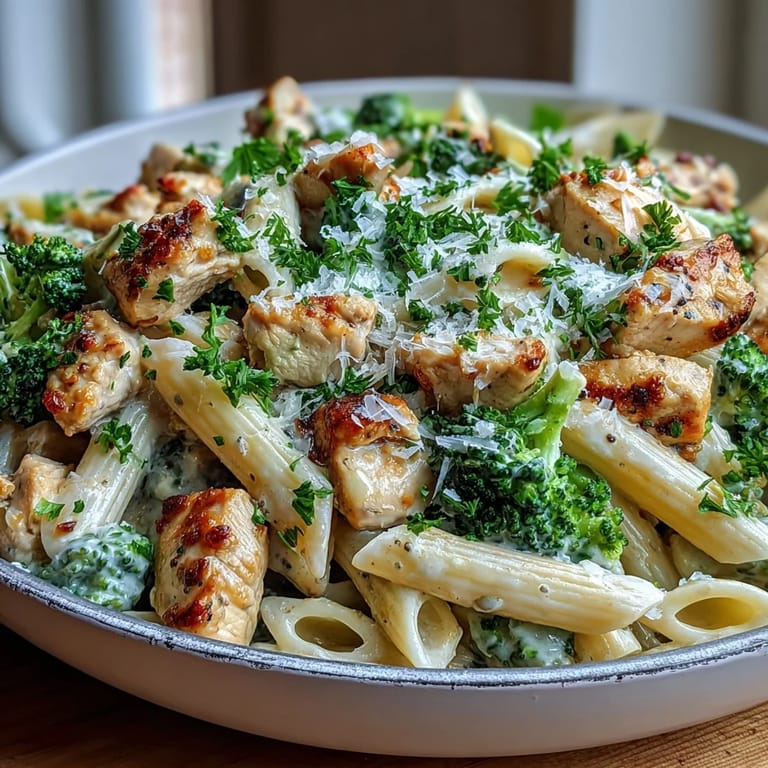
- Turn the heat down to low, then pour in your heavy cream and stir in the Parmesan cheese a handful at a time so it melts smoothly into the sauce instead of clumping. Return the chicken, stir everything together, and let it all get cozy for 2 more minutes.
- Taste and serve:
- Always taste before serving and adjust salt and pepper to your liking—everyone's palate is different, and this is your dish. Finish with fresh parsley and extra Parmesan because why not.
 Save
Save My partner came home one rainy Tuesday to this pasta bubbling away in the kitchen, and the look on his face when he realized dinner was basically ready was genuinely touching. It's funny how a dish that takes 35 minutes can feel like you've been slaving away, the kind of meal that makes someone feel actually cared for rather than merely fed.
Why This Works as a Weeknight Dinner
Most pasta dishes require you to juggle a pot of boiling water while managing something else on the stove, but this entire situation happens in one skillet, which means fewer dishes and less mental load when you're already tired. The pasta cooks directly in the broth, which means it absorbs flavor from the very beginning instead of being bland until sauce gets added. Everything finishes at roughly the same time, so you're not standing there with overcooked chicken waiting for the pasta, or al dente pasta waiting for the chicken to stop being rubbery.
How to Make It Your Own
This recipe is genuinely flexible without falling apart, which is the mark of a solid base recipe. You can swap the broccoli for spinach (add it at the very end so it just wilts), throw in frozen peas, or even use roasted red peppers if that's what you have around. Some people use half-and-half instead of the milk-and-cream combo, which works fine if that's what's in your fridge.
Rotisserie chicken is your friend if you're in a hurry—shred or chop it up and add it at the creamy step instead of cooking raw chicken, which cuts the total time down to about 25 minutes. I've also made this with pre-cooked shrimp on nights when I felt fancy, and it's just as good, though the cooking time stays the same.
The Wine Pairing Question
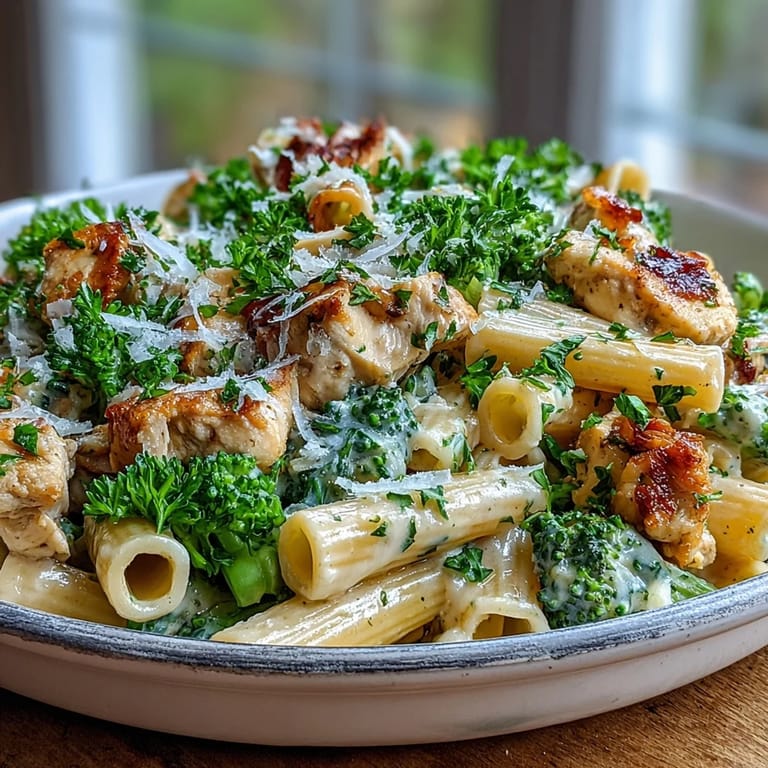
A crisp white wine like Pinot Grigio or Sauvignon Blanc sits beautifully next to this because the acidity cuts through the richness of the cream sauce and keeps everything feeling balanced. If you're cooking with wine, a splash into the skillet right after sautéing the garlic (before the broth) adds incredible depth, though it's not required—the dish stands completely on its own. The beauty of this meal is that it doesn't demand anything, but it appreciates thoughtfulness when you offer it.
- Light whites work best because heavy wines can make the whole plate feel sluggish.
- If you're not drinking wine, a simple salad with lemon vinaigrette does the same job of cutting through the creaminess.
- Serve everything warm but not piping hot, because that's when you can actually taste all the layers instead of just steam.
 Save
Save This dish became my go-to proof that you don't need hours or complicated techniques to make something that tastes genuinely special. Make it once, and you'll understand why I keep coming back to it.
Common Questions
- → Can I use pre-cooked chicken?
Yes, rotisserie chicken or leftover cooked chicken works perfectly. Add it during the last 2-3 minutes of cooking to heat through without drying out.
- → What pasta shapes work best?
Short pasta varieties like penne, fusilli, or rotini are ideal because they catch the creamy sauce in their crevices. Macaroni or farfalle also work well.
- → Can I make this dairy-free?
Substitute whole milk and heavy cream with unsweetened almond or cashew milk. Use nutritional yeast or vegan Parmesan alternative instead of dairy Parmesan.
- → How do I store leftovers?
Store in an airtight container in the refrigerator for up to 3 days. Reheat gently with a splash of milk or broth to restore creaminess.
- → Can I add other vegetables?
Absolutely. Spinach, peas, bell peppers, or zucchini make excellent additions. Add quicker-cooking vegetables like spinach during the last 2 minutes.
- → Is the sauce supposed to be thick or thin?
The sauce should coat the pasta generously but not be soupy. If too thick, add more warm broth. If too thin, simmer uncovered for 2-3 minutes.