 Save
Save Steam curling up from a simmering pot of cabbage soup always brings a certain brightness to my kitchen, especially as the days start to stretch into spring. When I first tried blending ginger and lemon into a vegetable soup, I had no real expectations—just a craving for something cleansing after a stretch of heavy winter food. The fragrance was citrusy and earthy, livening up my little apartment on a sleepy Sunday. By the time the vegetables had softened, I found myself actually humming, spoon in hand. It’s funny how quietly transformative a bowl of cabbage soup can feel.
One chilly April evening, I made a double batch for a spontaneous dinner with neighbors. I’d promised just a 'quick soup,' but the conversation lingered even after the bowls were empty and the kettle whistled for tea. We all noticed the way the parsley’s brightness and the turmeric’s golden hue made it feel almost celebratory. Even my friend who usually avoids cabbage returned for seconds, delighted. Everyone wanted the recipe scrawled on the back of a leftover grocery list before heading home.
Ingredients
- Green cabbage: The backbone of the soup, it softens beautifully and absorbs all the flavor—shredding it thin helps it cook evenly.
- Carrots: Their natural sweetness pairs well with the sharpness of lemon and ginger; slice them on a diagonal for a bit of elegance.
- Onion: Starting the pot with onion gives every spoonful a comforting base; use a gentle sauté to draw out its natural sugars.
- Celery: Adds subtle depth and aroma, especially if you slice it thin so it softens quickly.
- Garlic: Minced garlic goes in just after the onions so it can release its flavor without burning.
- Zucchini: Diced small, it almost melts into the broth, making each bite a little silkier.
- Fresh ginger: Expect a subtle tingle—grate it fresh for maximum zing and gently warm it in the pot before adding liquids.
- Ground turmeric: It doesn’t just tint the broth gold—its earthy warmth echoes the ginger and feels especially healing.
- Black pepper: A half teaspoon is just enough to brighten up the turmeric without stealing the show.
- Sea salt: Start sparingly; add more later if needed after tasting.
- Vegetable broth: The more flavorful the broth, the more vibrant the finished soup—taste for seasoning before serving.
- Lemon juice: Squeeze it in at the end to wake everything up—don’t skip this step, or the soup might taste a bit flat.
- Fresh parsley or dill: Either herb brings a burst of spring flavor, and a little extra for garnish makes a world of visual difference.
- Olive oil (optional): A splash for sautéing gives extra richness, but you can skip it for an even lighter vibe.
Tired of Takeout? 🥡
Get 10 meals you can make faster than delivery arrives. Seriously.
One email. No spam. Unsubscribe anytime.
Instructions
- Start your aromatics:
- Heat olive oil in your biggest soup pot over medium and listen for the soft sizzle as you add in onion, celery, and carrots; stir now and then so they turn tender and glossy about five minutes in.
- Bloom the flavor:
- Add garlic, ginger, and turmeric, stirring just until your kitchen smells peppery and bright, about a minute or so.
- Tumble in the veggies:
- Now pile in the shredded cabbage and diced zucchini, tossing everything so it mingles and wilts a little from the warmth—this takes about two minutes.
- Add broth and season:
- Pour in the vegetable broth, sprinkle in sea salt and black pepper, then turn up the heat until everything’s bubbling gently.
- Simmer to perfection:
- Drop the heat and let the soup simmer uncovered for 20 to 25 minutes, just enough so the vegetables yield to the spoon but still have a bit of bite.
- Finish with freshness:
- Squeeze in the lemon juice and stir through fresh herbs; taste and adjust the seasoning until the soup sings.
- Serve and garnish:
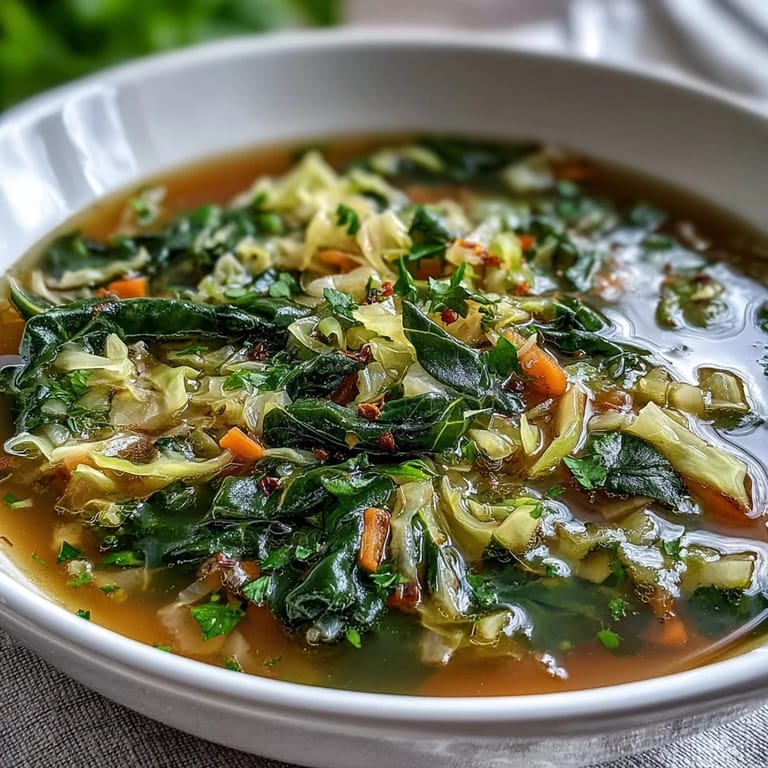
- Ladle into bowls while steaming hot, shower extra herbs on top, and add a lemon wedge for a little theatrical flourish.
 Save
Save  Save
Save One lazy Sunday, I turned on music, sliced the vegetables without a care for precision, and realized halfway through that the joy of the soup is how forgiving and generous it is. Suddenly, the soup wasn’t just dinner—it was a gentle way to reclaim a slow afternoon. It’s a dish that makes space for conversations or quiet, for gathering or simple self-care, each time a little different but always welcome.
Little Twists to Make It Your Own
Sometimes I swap in dill for parsley, or add a handful of cooked white beans to transform it into a more filling meal. Leftover quinoa stirred into the last few minutes turns the broth creamy and hearty without much fuss. I’ve even tried basil as a garnish when parsley ran out, and the result was unexpectedly fresh and summery.
Serving Ideas I Keep Coming Back To
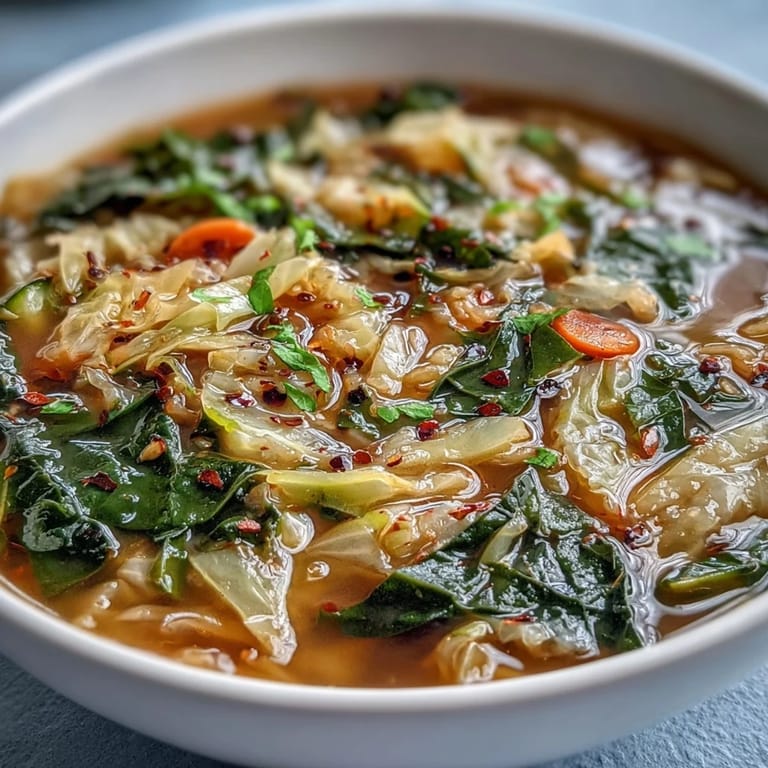
This soup is a fantastic lunch on its own, but I often find myself toasting up slices of seeded bread for dipping while it simmers. For a little extra color and crunch, sprinkle on toasted pumpkin seeds just before serving. And if I’m feeling adventurous, a drizzle of chili oil or a pinch of red pepper flakes makes every bite pop.
When Soup Becomes a Ritual
Making this soup at home has become my go-to routine for a spring reset. From chopping cabbage to stirring in the lemon at the end, the simple motions always feel grounding. I think that’s why I come back to it so often.
- If you use fresh ginger, grate it finely so nobody bites into a chunk.
- Wait to add herbs until the very last moment to keep their flavor lively.
- Don’t skimp on the black pepper—it’s what brings the turmeric to life.
 Save
Save  Save
Save Here’s to finding small comfort in a bright bowl of soup and making new spring rituals in your own kitchen. I hope you love this as much as I quietly do, one spoonful at a time.
Common Questions
- → How can I make this oil-free?
Use a splash of vegetable broth to sauté the onion, celery and carrots instead of oil. Cook over medium heat and stir frequently to prevent sticking; a nonstick pan or a well-seasoned pot helps. Finish with a squeeze of lemon for brightness.
- → What protein additions work best?
Cooked chickpeas or white beans fold in nicely and add body without overwhelming the flavors. Stir them in during the last 5–10 minutes to warm through, or add a can of drained beans for convenience.
- → Can I make the soup creamy or smooth?
For a creamier texture, blend a portion of the soup with an immersion blender or transfer half to a countertop blender and return it to the pot. Adding a can of drained white beans before blending yields a silky, protein-rich finish.
- → How long does this keep and how should I reheat it?
Store in an airtight container in the refrigerator for 3–4 days. For longer storage, freeze in portions for up to 3 months. Reheat gently on the stove over low heat until simmering, stirring occasionally to prevent sticking.
- → What swaps are best for herbs and seasoning?
Swap parsley or dill with cilantro or basil for a different herb profile. Adjust turmeric and black pepper to taste, and add a pinch of chili flakes for warmth. Finish with extra lemon juice to brighten the overall flavor.
- → Any tips for maximizing cabbage flavor?
Sauté the cabbage briefly with the other vegetables to develop sweetness before adding broth, then simmer until tender but still vibrant. Shredding the cabbage thinly also helps it cook evenly and absorb the spiced broth.