 Save
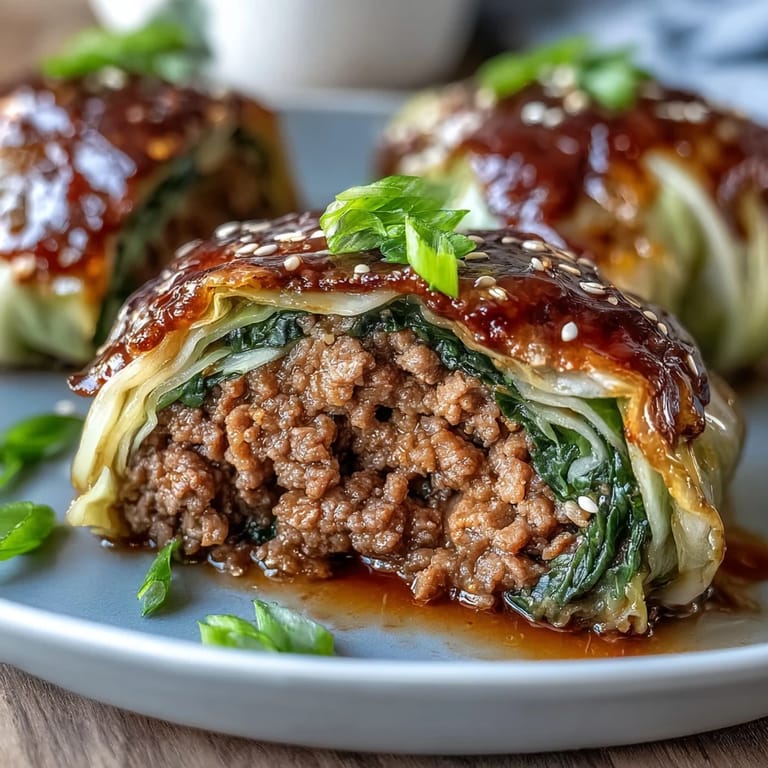
Save The first time I attempted Korean cabbage rolls, I was drawn in by the aroma of sesame oil hitting a hot pan while the winter wind rattled my kitchen window. There is something almost meditative about massaging gochujang into beef with your hands, and watching the fiery paste meld into the meat. Working with Napa cabbage always feels a bit like unfolding secret letters—each leaf softens at just the right moment. These rolls became my weeknight challenge, but one that left my hands perfumed with garlic and ginger, and my spirits considerably brighter.
I will never forget when I made these for a friend recovering from a cold, wrapping each bundle slowly while she kept me company over mugs of barley tea. The room filled with the scent of ginger and toasted sesame, and our laughter was punctuated by the soft hiss of the steamer. By the time we sat down, even the gray day outside felt warmer.
Ingredients
- Napa cabbage: This variety holds up beautifully to steaming—choose leaves with crisp ribs for the best texture.
- Ground beef: Look for beef with some fat (about 15 percent) as it stays juicy and flavorful when steamed inside the cabbage.
- Green onions: Finely chopping ensures every roll is balanced with a gentle onion sharpness without dominating.
- Garlic: Mince fresh garlic for warmth that knits the filling together, and do not be shy—the more fragrant, the better.
- Carrot: Grated carrot keeps things sweet and moist, and its color is a welcome burst when you slice the finished rolls.
- Fresh ginger: Grating it releases aromatic oils; use a spoon to easily peel the skin before grating.
- Gochujang: This chili paste brings rosy color and deep, tangy heat—taste yours before adding, as some are spicier than others.
- Soy sauce: Go for a natural-brewed variety for salty backbone that complements the beef and the sauce.
- Sesame oil: Its toasty richness cannot be faked—drizzle it at the end for a final gloriously nutty aroma.
- Sugar: Just a little softens the sharp heat, mellowing the gochujang’s fiery side.
- Black pepper: Adds peppery depth; crack it fresh for the most fragrance.
- Toasted sesame seeds: Scatter extra on top for nutty crunch—toast gently in a dry pan if you have raw seeds.
- For the dipping sauce: Soy sauce, rice vinegar, gochugaru, sesame oil, honey, garlic, and sesame seeds swirl together for a punchy, addictive dip—just whisk and let it sit while you steam.
Tired of Takeout? 🥡
Get 10 meals you can make faster than delivery arrives. Seriously.
One email. No spam. Unsubscribe anytime.
Instructions
- Blanch the cabbage:
- Bring a large pot of water to a raucous boil and gently peel off each giant leaf. After a quick bath of one or two minutes, the leaves turn floppy and bright—dunk them in cold water and pat until thoroughly dry.
- Mix the filling:
- In your biggest bowl, tip in the beef, green onion, garlic, carrot, ginger, gochujang, soy sauce, sesame oil, sugar, black pepper, and sesame seeds. Stir until the mixture looks unified and every bit of beef glistens with red and flecks of green.
- Shape the rolls:
- Lay each cabbage leaf open like a little boat, spoon on a mounded heap of filling, then fold the sides in and roll up snugly—kind of like swaddling a tiny burrito. Repeat and stack each finished roll seam-side down as you go.
- Steam to perfection:
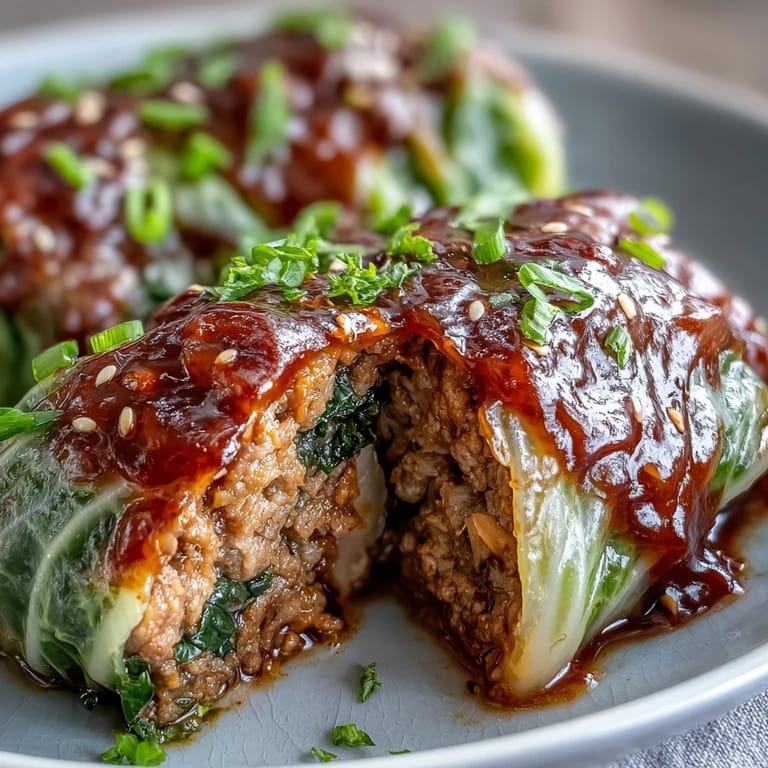
- Line the rolls gently in your steamer basket and set over simmering water, watching the beef mixture go from ruby red to savory brown in about 15–20 minutes.
- Mix the dipping sauce:
- Combine soy sauce, rice vinegar, gochugaru, sesame oil, honey, minced garlic, and sesame seeds in a bowl and give it a brisk whisk—the flavors meld the longer it sits.
- Serve and enjoy:
- Arrange steaming cabbage rolls on a platter and set out the sauce, inviting everyone to dip and devour while the steam still rises.
 Save
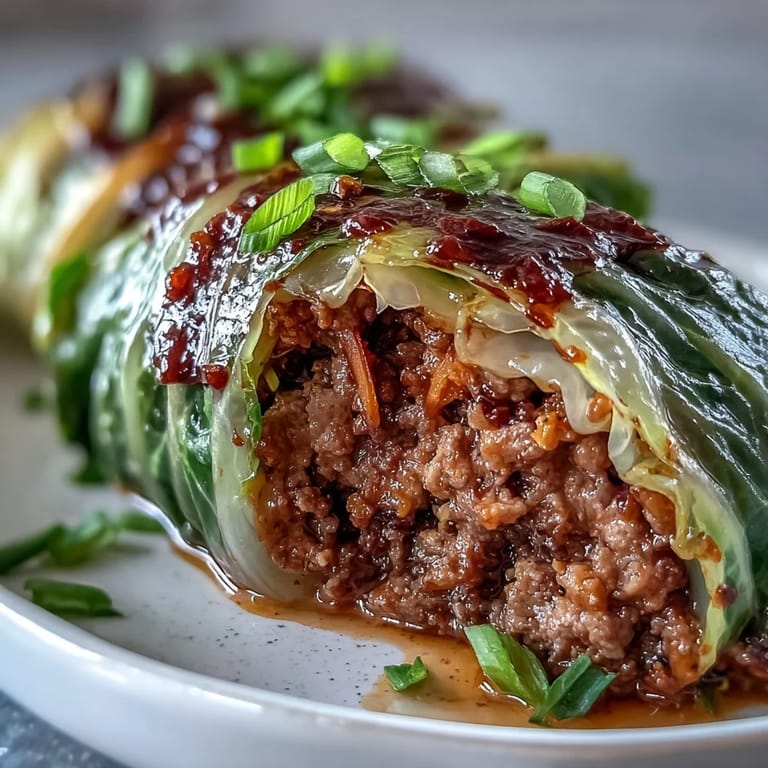
Save The night we introduced these rolls at a potluck, a friend who claimed not to like cabbage was converted after one bite. These little parcels disappeared in minutes, and the leftover sauce became the star condiment for everything else on the table.
What to Serve with Your Cabbage Rolls
Steamed white rice soaks up extra sauce and rounds out the meal, while a side of kimchi adds the crunch and brightness you did not know you needed. If it is a cold day, a quick bowl of miso soup fits right in.
Can You Make These Ahead?
Absolutely! Roll everything up earlier in the day, then steam just before dinnertime. The flavors seem to mingle and intensify if you prep ahead, and leftovers warm up perfectly the next day.
Final Cabbage Wisdom
Working with cabbage can sometimes be unpredictable—the outer leaves might be tough or torn, so always keep a few extra on hand. Tuck any small or ripped leaves underneath your rolls in the steamer, and nothing goes to waste.
- Keep a damp cloth over blanched leaves while filling so they stay supple.
- If you run out of filling, pile extra vegetables inside the last few rolls.
- Always taste the filling before rolling in case you want a punchier hit of gochujang.
 Save
Save May your kitchen fill with warmth and good company whenever you wrap these little parcels up—there is always delight in a dish made by hand.
Common Questions
- → Why blanch the cabbage leaves?
Blanching softens Napa cabbage so leaves bend without tearing, making them easy to roll and ensuring even cooking when steamed.
- → Can I use a different paste than gochujang?
Yes. For milder heat, reduce gochujang or replace with a blend of mild chili paste and a touch of soy and honey to maintain sweet‑savory balance.
- → How do I know the filling is fully cooked?
Steam for 15–20 minutes; the beef should lose its pink color and reach a firm texture. Cutting one roll open is the quickest check.
- → Any protein substitutions?
Ground pork or turkey work well. Adjust seasoning and fat content: leaner meats may need a bit more sesame oil or a binder to keep filling moist.
- → Can these be made ahead?
Yes. Assemble rolls and refrigerate covered for up to 24 hours before steaming. Cooked rolls keep 2–3 days refrigerated; reheat gently in a steamer or covered skillet.
- → What should I serve alongside?
Steamed rice and crisp fermented vegetables like kimchi complement the spicy filling and tangy dipping sauce, balancing richness and heat.