 Save
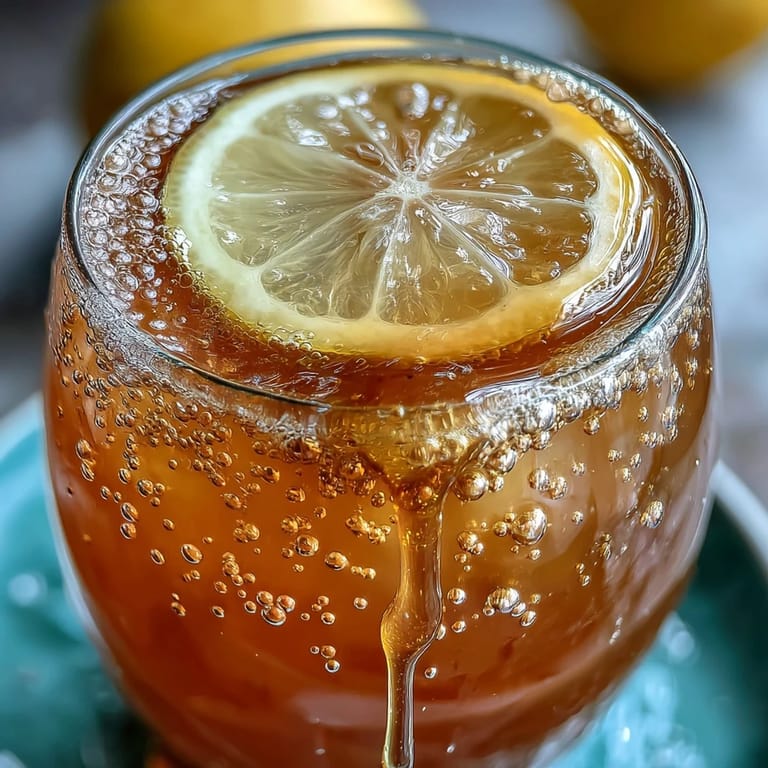
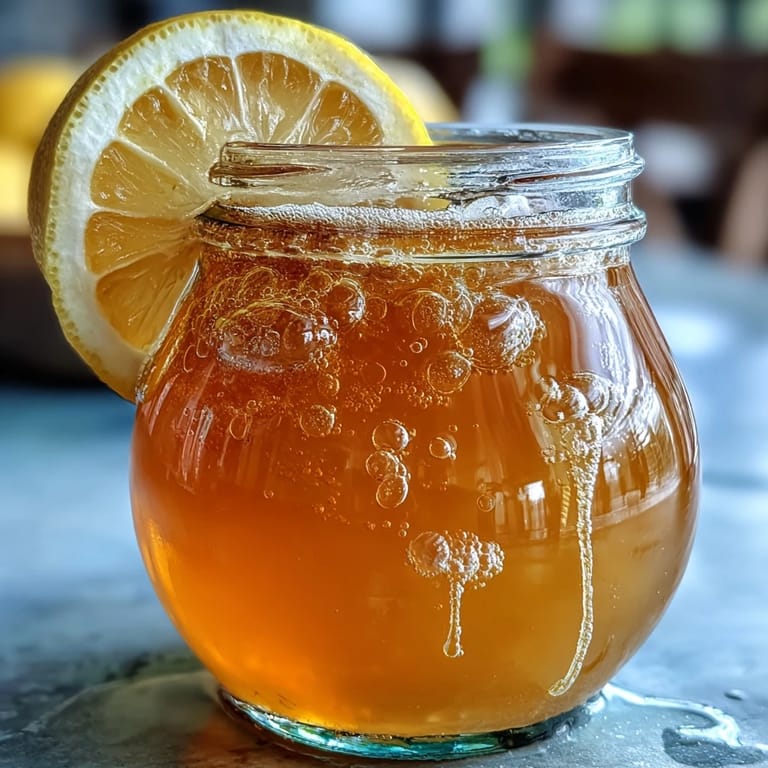
Save Bursting bubbles and the citrus scent filled my entire kitchen the first time I tried fermenting lemonade. I wasn't really after anything trendy—I just wanted a cold drink that didn’t taste flat or overly sweet. Somehow, just a little honey and a lot of patience turned everyday lemons into something tingly and surprisingly complex. Halfway through the process, I found myself peeking under the lid, curious to watch the tiny fizz develop. My countertop has never felt more alive than during those days of anticipation.
Pouring glasses for friends on a sweltering summer evening felt so rewarding—everyone paused after the first sip, a little surprised at how much flavor they'd been missing in regular lemonade. I still remember laughing when foam fizzed over the rim onto the deck, and someone quickly ran for napkins. It’s the kind of moment where you wish you’d made even more.
Ingredients
- Fresh Lemons: Using big, juicy lemons gives more zest and brightness—roll them on the counter first, it helps release more juice.
- Filtered Water: Clean water really makes the flavors shine, and prevents odd flavors—my tap water once made a batch taste off, so I never skip this step now.
- Raw Honey: Unpasteurized honey is essential for fermentation; processed kinds just won’t do the trick, so I always check the label.
- Fresh Ginger (optional): A few slices add a gentle warmth and spice, especially lovely if you’re sipping outside as the sun goes down.
- Fresh Mint (optional): One crisp sprig makes everything taste extra refreshing—I muddle it lightly before adding.
Tired of Takeout? 🥡
Get 10 meals you can make faster than delivery arrives. Seriously.
One email. No spam. Unsubscribe anytime.
Instructions
- Mix the Lemon Juice and Water:
- Pour the freshly squeezed lemon juice into a large jar, then add the filtered water. The citrus aroma is instantly invigorating.
- Dissolve the Honey:
- Add the raw honey and stir patiently until not a single crystal remains, watching as the mix turns golden and smooth.
- Add Flavors (Optional):
- If you like adventure, drop in ginger slices or a mint sprig—stir just enough to release their fragrance.
- Transfer to Fermentation Jar:
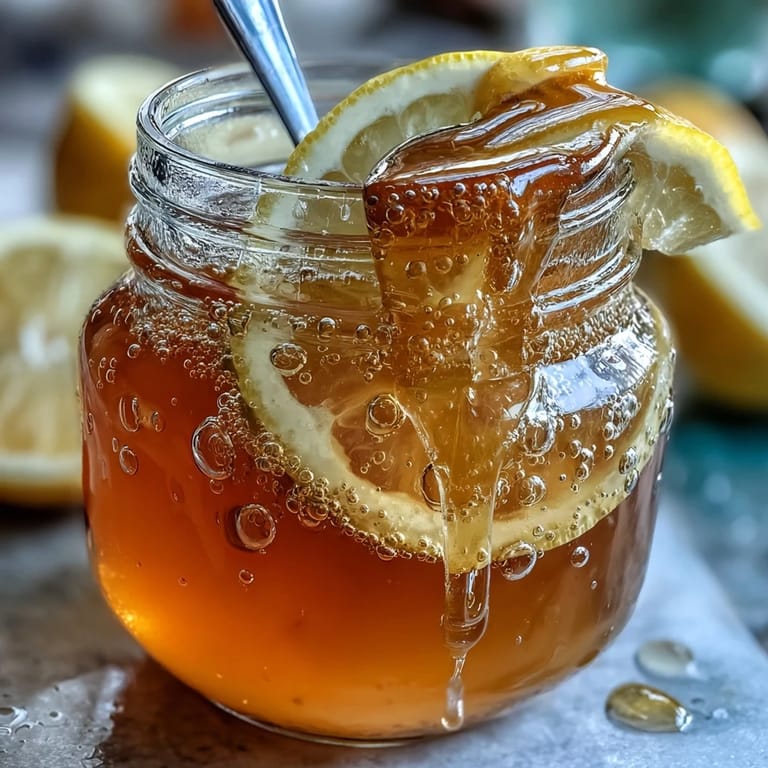
- Pour everything into a clean glass jar, leaving a couple of inches at the top for the bubbles to grow.
- Start Fermenting:
- Set the lid loosely or use an airlock—find a cozy corner away from sunlight, and trust the transformation for the next few days.
- Taste and Bottle:
- Let the magic do its work for 2 to 3 days, sampling daily until it’s tangy and ticklish on your tongue; pour into swing-top bottles to capture the fizz.
- Chill:
- Refrigerate and let the bottles rest for at least four hours; popping them open is the best part, just go slow.
- Serve:
- Pour over a tall glass of ice and savor every bubble that rises up—cheers to homemade refreshment.
 Save
Save 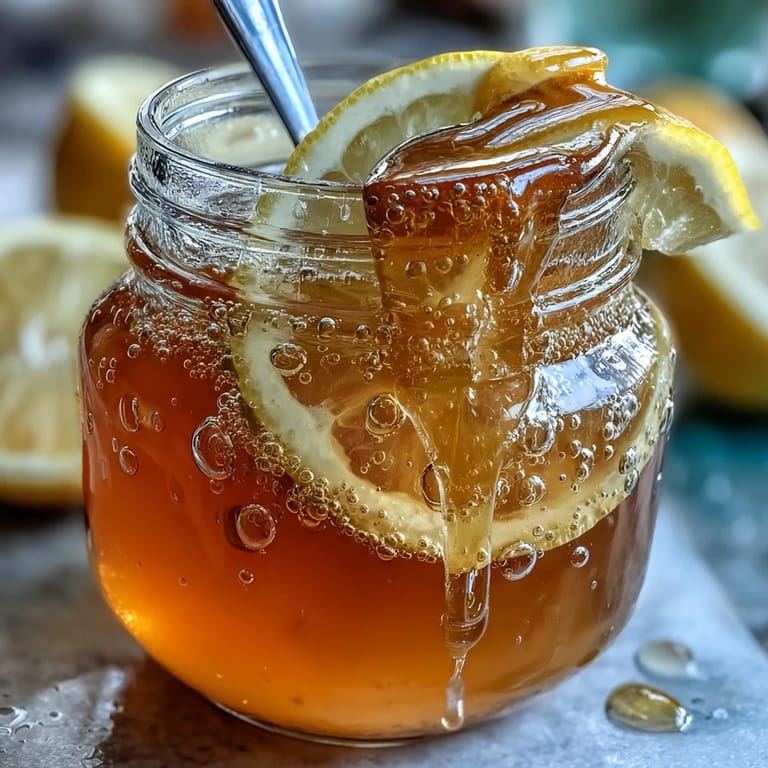 Save
Save I realized this drink had become more than just a passing experiment when even my skeptical neighbor started requesting a bottle for their own fridge. It’s quietly become my go-to offering when someone drops by, and it never fails to spark a little conversation—or at least a raised eyebrow.
Kitchen Gear That Makes a Difference
On my first try, I didn’t have a proper fermentation jar and ended up making do with a spaghetti sauce container. It technically worked, but the wide mouth of a big glass jar really makes everything easier, safer, and cleaner. Citrus juicers are a wrist saver, and a swing-top bottle is perfect for that satisfying pop at serving time. Trust me, opening a fizzed-up bottle over the sink is a lesson you learn quickly.
Experiment With Flavors
Some days, after juicing lemons, I’ll rummage through the fridge or garden for a sprig of basil or a handful of berries to toss in. Ginger in particular makes a subtle, cozy addition on cooler days, while mint keeps things extra crisp and refreshing. A tiny pinch of sea salt can boost the complexity and round out the tartness—you might be surprised at how much it adds.
Troubleshooting and Serving Advice
If your lemonade tastes flat or too sweet on day two, give it more time—the transformation feels slow at first but can rush in on the last day. Always use unpasteurized honey; without the natural microbes, you’ll just have sweet lemon water. Be patient while chilling—cold lemonade holds its fizz much better and won’t overflow the glass.
- Open bottles gently to release built-up pressure.
- If your kitchen’s cool, fermentation might need an extra day.
- Label each batch with the start date to keep track.
 Save
Save 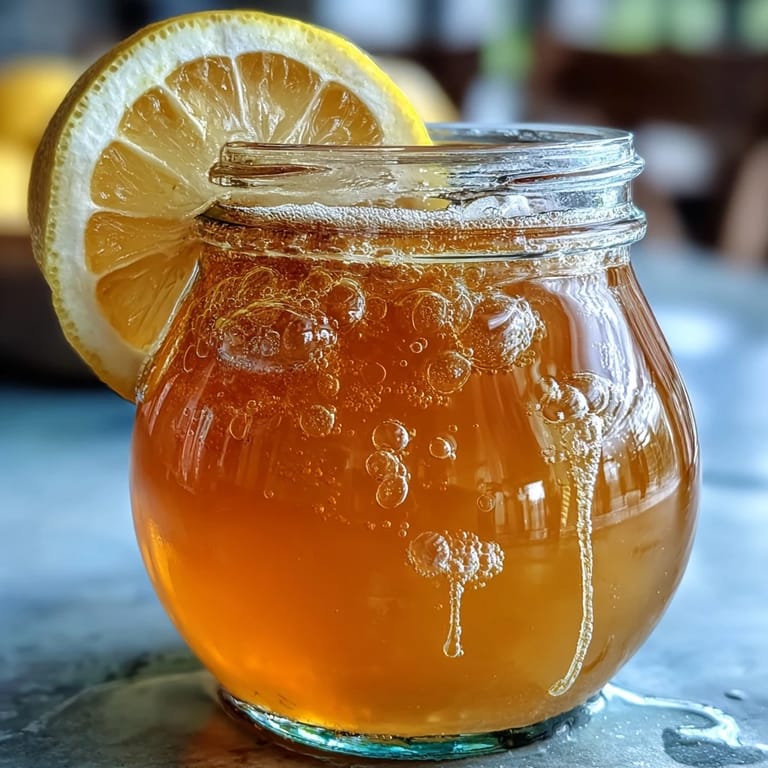 Save
Save Honestly, I never expected homemade lemonade could bring this much fun to my kitchen. Give it a try once, and you’ll find yourself watching bubbles and counting down hours to the first refreshing glass.
Common Questions
- → How long should I ferment for a mild fizz?
Ferment at room temperature for 2-3 days for a light effervescence. Taste daily; when it’s tangy and slightly bubbly, move to cold storage to slow further carbonation.
- → Why use raw honey instead of processed sweeteners?
Raw honey contains wild yeasts and beneficial microbes that encourage gentle fermentation and contribute subtle flavor notes; processed honey may not ferment the same way.
- → Can I add ginger or mint for flavor?
Yes. Sliced ginger adds warm spice and can boost fermentation activity, while mint gives a fresh, cooling lift. Add them during initial mixing or into the fermenting jar.
- → How do I prevent bottles from over-pressurizing?
Leave some headspace when filling, refrigerate once desired fizz is reached, and open swing-top bottles slowly to release pressure in stages. For stronger fizz, check bottles more often.
- → How long will the drink keep once chilled?
Refrigerated bottles will keep their flavor and carbonation for at least 1-2 weeks; refrigeration slows fermentation but check for off smells or excessive pressure before serving.
- → Are there simple variations to try?
Try adding berries, basil, a pinch of sea salt, or extra citrus. Small additions change acidity and flavor—adjust fermentation time as needed to reach the desired balance.
- → Any safety notes about ingredients?
Use only raw, unpasteurized honey for reliable fermentation. Do not serve honey-based ferments to infants under 1 year, and always check ingredient labels for allergens.