 Save
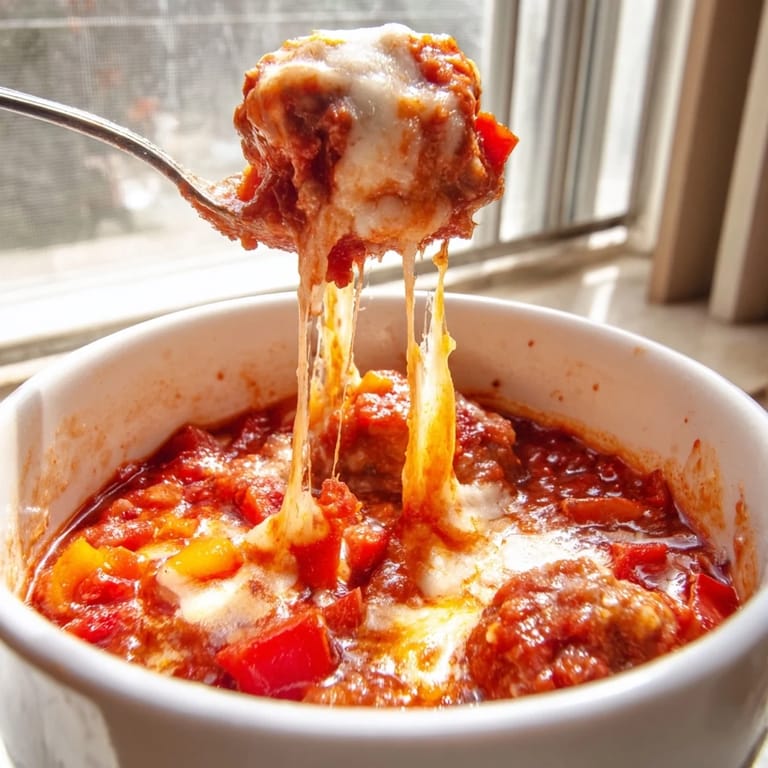
Save My neighbor knocked on the door one cold Tuesday evening with a bag of fresh Italian sausage from her farmer's market haul, and we ended up cooking dinner together on the spot. She had this idea—what if we made pizza, but as a soup?—and honestly, it sounded weird until the first spoonful hit the bowl. That melted mozzarella, the familiar pizza sauce, the herbaceous warmth of oregano all swirling in a savory broth that felt both comforting and unexpectedly sophisticated. Now whenever I make it, I think of her laugh when she tasted it, that moment of surprise when something born from improvisation becomes exactly what you needed.
Last winter I made this for my book club on a night when the roads were icy and nobody wanted to venture out far. I served it in mugs instead of bowls, and something about that casual presentation—the way people could hold it while they read passages aloud—turned the whole gathering into something more intimate. Everyone came back for seconds, and someone asked for the recipe before they even left. That's when I knew this soup had crossed from "interesting experiment" to "the thing people actually want to eat again."
Ingredients
- Italian sausage (400 g): This is where all the savory depth lives—buy it from a butcher if you can, because the quality makes a noticeable difference in how the broth tastes.
- Yellow onion (1 medium) and red bell pepper (1): Together these build the flavor base; don't skip the sautéing step because it brings out their natural sweetness.
- Garlic (2 cloves, minced): One minute in the pan releases oils that make the entire pot smell like an Italian kitchen.
- Broth (700 ml): Use low-sodium so you can taste the actual ingredients; the seasoning comes from the pizza sauce and herbs, not salt.
- Pizza sauce (400 ml) and canned diced tomatoes (400 g): These two create the soul of the soup—that tangy, tomatoey depth you'd recognize anywhere.
- Mozzarella cheese (150 g): Fresh or block mozzarella works best because it melts more smoothly than pre-shredded versions which often contain anti-caking agents.
- Dried oregano (1 tsp) and dried basil (1/2 tsp): These dried herbs infuse the broth with herbaceous warmth; they're mild enough that they never overpower.
- Crushed red pepper flakes (1/4 tsp, optional): Add just a pinch if you like a gentle heat that lingers rather than shouts.
Tired of Takeout? 🥡
Get 10 meals you can make faster than delivery arrives. Seriously.
One email. No spam. Unsubscribe anytime.
Instructions
- Brown the sausage first:
- Over medium heat, break the sausage into crumbles as it cooks—this should take about five to seven minutes until there's no pink left. Listen for that gentle sizzle and watch for the color change; if you drain off excess fat afterward, the soup won't taste greasy.
- Build the aromatic base:
- Once the sausage is done, add the onion and bell pepper right into the same pot so they pick up all those browned bits. After four minutes of stirring, you'll smell something incredible; that's when you know the vegetables are releasing their sweetness and mingling with the meat.
- Toast the garlic:
- Stir in the minced garlic for just one minute—any longer and it turns bitter, any shorter and it doesn't wake up. You'll know it's ready when the aroma shifts from raw to fragrant.
- Combine the liquids and seasonings:
- Pour in the broth, pizza sauce, and tomatoes all at once, then add the oregano, basil, red pepper flakes if you're using them, and a pinch of salt and pepper. Stir everything together so the flavors can start talking to each other.
- Simmer gently:
- Bring the pot to a gentle boil, then lower the heat and let it simmer uncovered for fifteen to twenty minutes, stirring now and then. This isn't a rushed step; the longer it sits, the more the flavors settle into the broth.
- Taste and adjust:
- Before you add the cheese, taste a spoonful of the broth and decide if it needs more salt, pepper, or even a touch more herbs. This is your moment to make it exactly how you like it.
- Melt in the mozzarella:
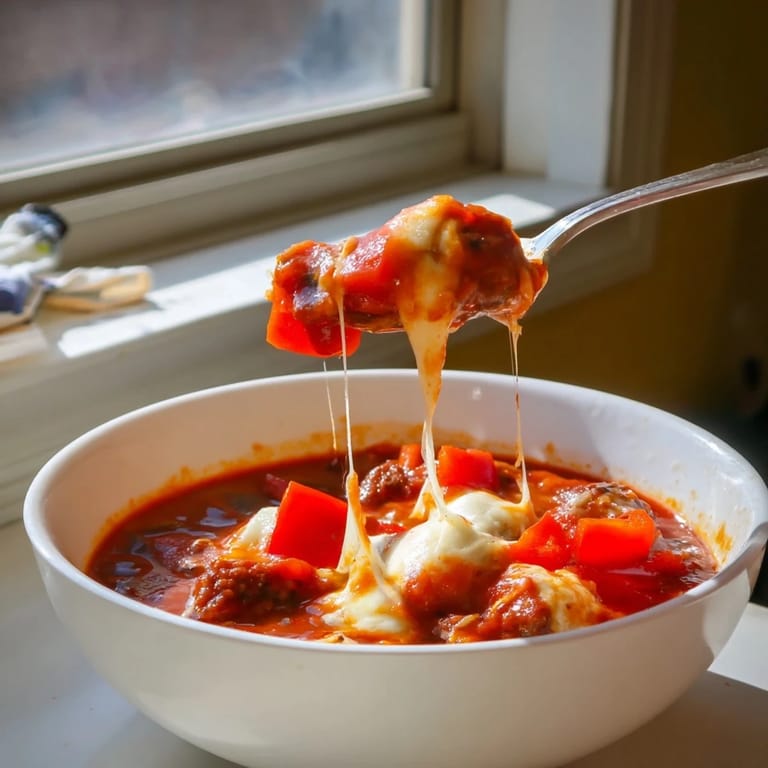
- Just before serving, stir in half the mozzarella off the heat, letting the residual warmth melt it into creamy strings throughout the soup. Save the other half to sprinkle on top of each bowl so it gets a little melty and a little chewy.
 Save
Save There was an afternoon when my daughter came home from school saying she'd had the worst day, and I made this soup without thinking much about it. Watching her face change as she tasted it—that little spark of comfort—reminded me that sometimes the simplest act of cooking for someone is the most powerful thing you can offer. She still asks me to make it on bad days.
Flavor Boosters You Can Try
Once you've made this soup a few times and feel confident with the base, start experimenting with additions. Sliced mushrooms add an earthy undertone that feels very pizza-like, while black olives bring a salty, briny contrast that wakes everything up. Even a handful of pepperoni torn into pieces creates little pockets of richness that feel indulgent without being heavy.
Serving Ideas That Feel Natural
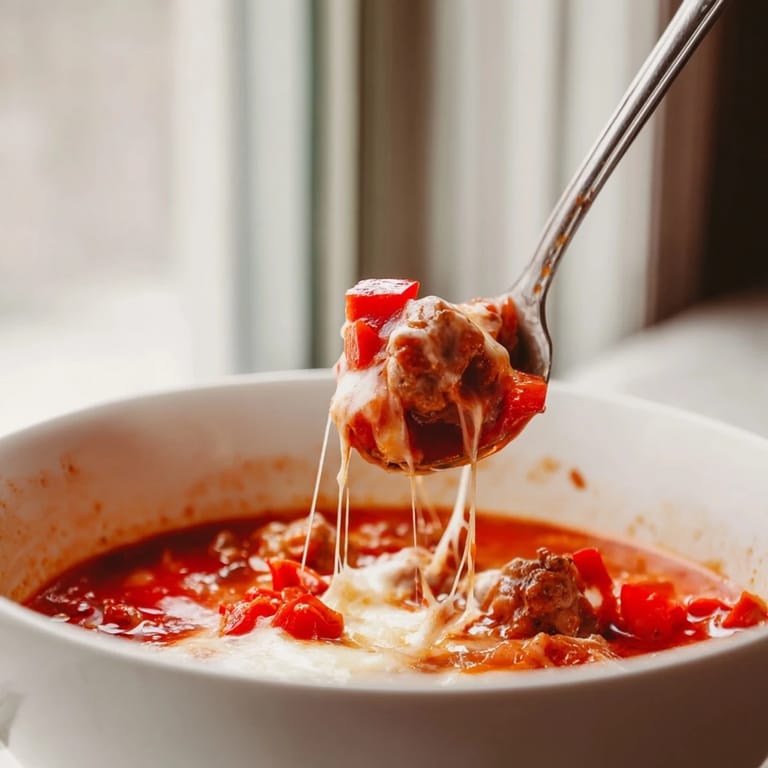
Serve this in wide bowls rather than tall mugs if you want the cheese to take center stage; it melts differently depending on the surface area. A crusty piece of bread alongside is non-negotiable—you'll want something to soak up every last bit of that broth. Some people ladle it into mugs on cold mornings and drink it like a savory soup-drink, which honestly sounds chaotic but works surprisingly well.
Making It Your Own
The beauty of this soup is that it's forgiving and adaptable, welcoming changes without losing its identity. A vegetarian sausage substitute works if that fits your kitchen better, and smoked mozzarella or provolone creates a completely different but equally delicious flavor profile. Make it once as written, then trust your instincts about what your version should taste like.
- If you prefer a brothier soup, use a bit more broth and a touch less pizza sauce so it stays light and sippable.
- Fresh basil scattered on top right before serving brings a brightness that dried herbs simply cannot replicate.
- Leftovers keep beautifully in the fridge for three days, and the flavors actually deepen as they sit.
 Save
Save This soup has become my answer to those moments when people ask what to cook for comfort, for a crowd, or for a Tuesday night when everything feels heavy. It's proof that sometimes the best dishes are the ones born from "what if we tried this?" rather than careful planning.
Common Questions
- → Can I make this soup vegetarian?
Absolutely. Simply substitute the Italian sausage with plant-based or vegetarian sausage alternatives. The remaining ingredients remain unchanged, delivering the same rich, satisfying flavors without the meat component.
- → What cheese works best in this soup?
Mozzarella is classic, but don't hesitate to experiment. Smoked mozzarella adds depth, while provolone offers a sharper taste. For a creamier texture, try a blend of mozzarella and parmesan. Always add cheese at the end to prevent it from becoming stringy or rubbery.
- → How can I adjust the spice level?
Control heat through red pepper flakes, which are optional. Start with the 1/4 teaspoon amount and increase to taste. You can also modify spice by choosing different sausage varieties—spicy versus mild—or adding jalapeños during the vegetable sauté stage.
- → Is this gluten-free?
It can be when using certified gluten-free sausage and broth. Always check product labels carefully, as some commercial sausages contain fillers or binders with gluten. Homemade broth or specialty gluten-free versions ensure complete dietary compliance.
- → What's the best way to store leftovers?
Cool the soup completely before transferring to airtight containers. Refrigerate for up to 4 days or freeze for 3 months. When reheating, warm gently over medium heat and add fresh mozzarella again, as it may separate during storage. Stir occasionally to redistribute flavors evenly.
- → Can I add extra toppings?
Definitely. Sliced mushrooms, black olives, and pepperoni are excellent additions. Stir mushrooms in with onions to soften them, add olives and pepperoni during the final simmer, or top individual servings. Fresh basil, parsley, or even crushed red pepper flakes make wonderful garnishes.