 Save
Save My grandmother's kitchen smelled like hot oil and buttermilk the moment you walked through her back door, and that's when you knew it was a fried chicken Sunday. She'd have the bird soaking in that tangy buttermilk bath since dawn, whispering that the longer it sits, the more tender it becomes. Her secret wasn't fancy—just good technique, patience, and biscuits warm enough to melt butter on their own. I spent years watching her hands work that dough, the flour dusting her apron like snow, before I finally understood that this meal wasn't just dinner. It was how she said I love you.
I made this for my partner's family the first time we met, and honestly, I was terrified. But something about frying chicken—the sound of it hitting hot oil, the smell filling every room—it calmed my nerves. When his mom bit into a biscuit and closed her eyes, I knew I'd done something right. That meal became the story they still tell, the one that made me family before I even officially was.
Ingredients
- Bone-in, skin-on chicken pieces: Eight pieces total (mix of legs, thighs, breasts, and wings) keep the dark and white meat cooking at different rates, so pick your pieces wisely and you'll have everything ready at once.
- Buttermilk: Two cups is your tenderizing secret, breaking down the proteins so the chicken stays juicy even after the oil's done its work.
- Hot sauce: Just two teaspoons optional but worth the small kick that adds depth without announcing itself.
- All-purpose flour: Two cups forms the base of your coating, and it's the workhorse that holds everything together.
- Cornstarch: Half a cup mixed into the flour is what creates that shatteringly crisp crust that snaps when you bite it.
- Salt: Two teaspoons sounds like a lot until you remember the oil draws salt away from the surface, so don't be shy here.
- Black pepper, paprika, garlic powder, onion powder, cayenne: These five spices layered together build flavor that doesn't taste like one thing but like everything good at once.
- Vegetable oil: For frying use enough to reach two inches up your pan, and a neutral oil like vegetable or peanut won't compete with the spices.
- All-purpose flour (for biscuits): Two cups measured by the scoop-and-level method, not the dip-and-shake method, or your biscuits will be dense.
- Baking powder and baking soda: Together they create the lift, but baking soda especially needs that acidic buttermilk to work its magic.
- Cold unsalted butter: Half a cup cubed and kept ice-cold is non-negotiable for flaky layers that separate like prayer hands.
- Cold buttermilk (for biscuits): Three-quarters cup straight from the fridge keeps the dough cold enough that the butter stays distinct instead of melting into the flour.
- Honey: Two tablespoons in the dough adds subtle sweetness that makes people ask what that is, and another two tablespoons melted with butter for the topping.
- Unsalted butter (melted): Quarter cup for the honey butter topping, brushed on while the biscuits are still steaming.
Tired of Takeout? 🥡
Get 10 meals you can make faster than delivery arrives. Seriously.
One email. No spam. Unsubscribe anytime.
Instructions
- Set up your buttermilk bath:
- Whisk together two cups of buttermilk with the optional hot sauce in a large bowl, then add all eight chicken pieces and turn them to coat every surface. Cover the bowl with plastic wrap and let it sit in the refrigerator for at least one hour, though overnight is when the magic really happens and the chicken becomes impossibly tender.
- Build your flour mixture:
- In a shallow dish, combine two cups flour, half a cup cornstarch, two teaspoons salt, one teaspoon black pepper, one teaspoon paprika, one teaspoon garlic powder, one teaspoon onion powder, and half a teaspoon cayenne pepper. Mix it all together so the spices are evenly distributed and you don't end up with pockets of paprika or lonely garlic powder.
- Dredge each piece properly:
- Remove a chicken piece from the buttermilk, letting the excess drip back into the bowl, then lay it in the flour mixture and press gently so the coating really adheres. You want a thick, clingy coat that looks almost shaggy, so don't be timid about pressing and turning.
- Let the coating set:
- Transfer each dredged piece to a wire rack placed over a baking sheet and let them sit uncovered for ten minutes while your oil heats. This resting time is when the coating firms up and bonds with the chicken, which is why it stays crisp and doesn't fall off mid-fry.
- Heat your oil to the right temperature:
- Pour two inches of vegetable oil into a large, deep skillet or Dutch oven and heat it to 350°F (175°C) using a thermometer because guessing is how you end up with greasy chicken instead of crispy chicken. The oil should shimmer and move easily, and when you drop a tiny piece of dough in it should sizzle immediately.
- Fry in batches without crowding:
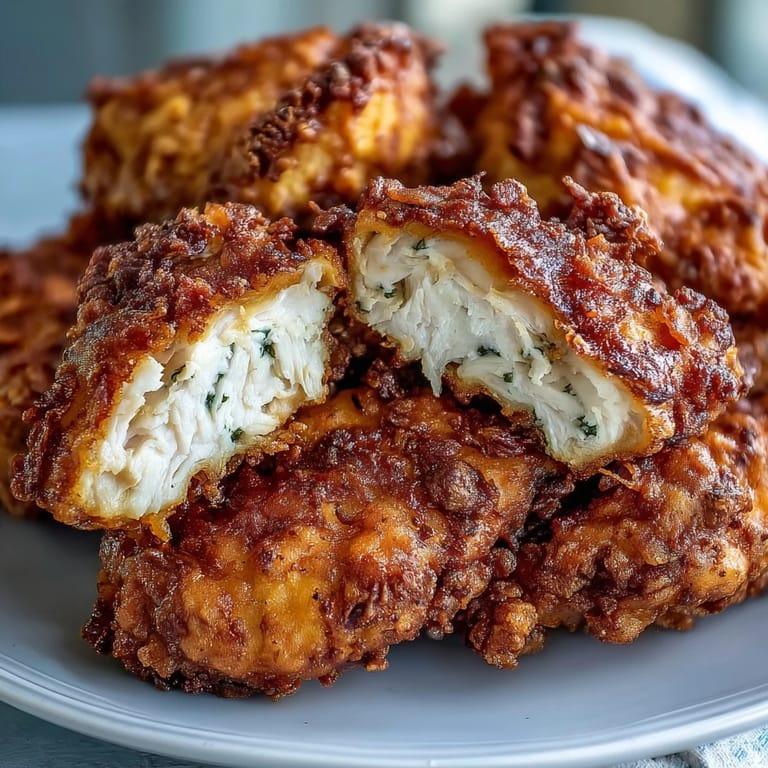
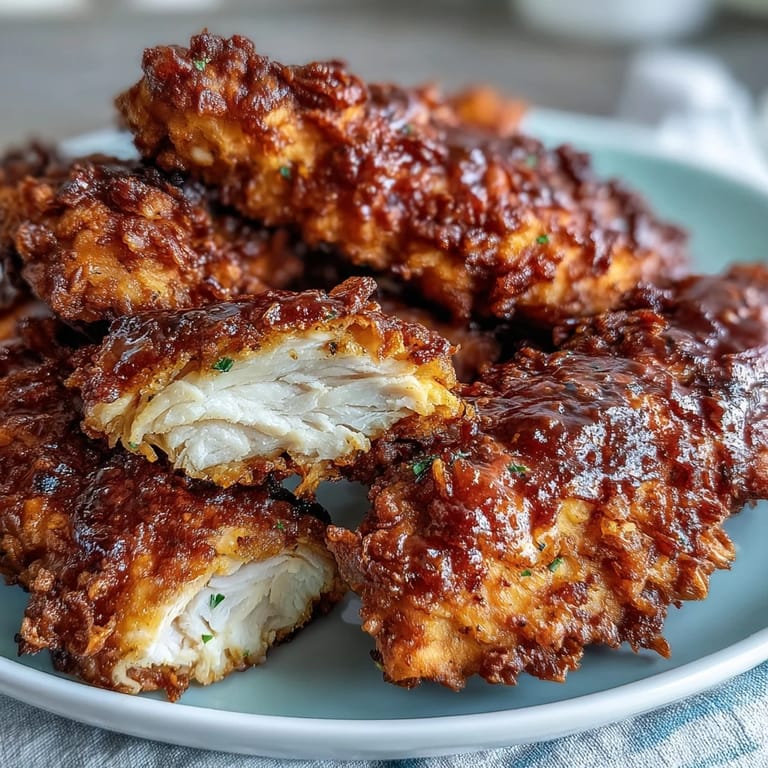
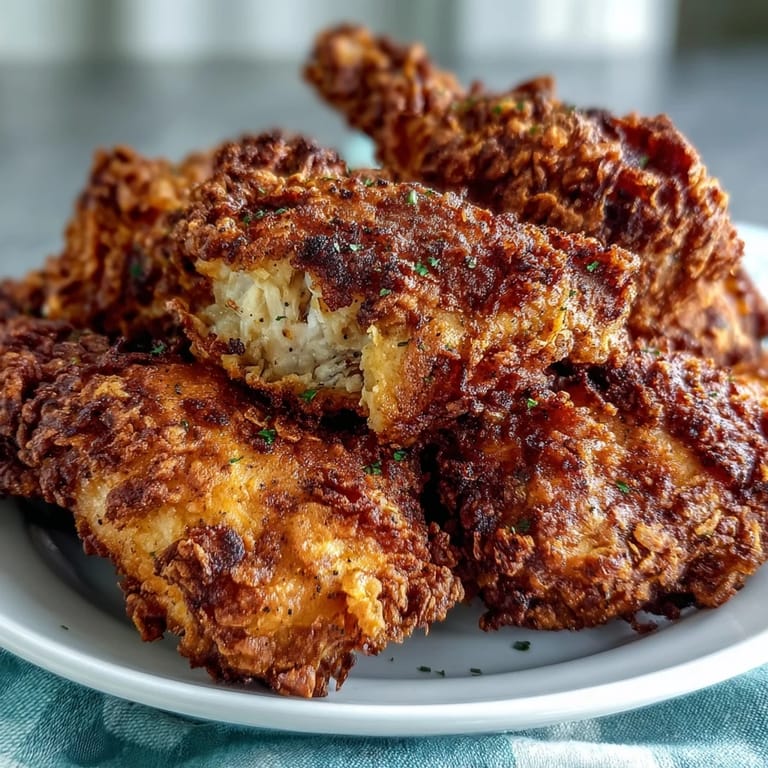
- Working in batches so the chicken pieces don't touch, gently lay them into the hot oil and let them cook undisturbed for a couple minutes before you start turning them. Dark meat takes about 15 to 18 minutes total while white meat needs 12 to 14 minutes, and you'll know it's done when the internal temperature hits 165°F and the crust is deep golden brown.
- Drain on a clean rack:
- As each piece finishes, transfer it to a clean wire rack set over a fresh baking sheet so air can circulate underneath and keep it crispy instead of steaming it in its own heat.
- Start your biscuits while chicken rests:
- Preheat your oven to 425°F (220°C) and in a large bowl, whisk together two cups flour, one tablespoon baking powder, half a teaspoon baking soda, and half a teaspoon salt. This dry mix is your foundation, and any lumps of baking powder will create strange flavors, so whisk thoroughly.
- Cut in the cold butter:
- Add half a cup of cold butter cut into cubes and use a pastry cutter, two knives, or your fingertips to break the butter into the flour until the mixture looks like coarse crumbs with some pieces still the size of peas. Those pea-sized pieces are what create the flaky layers, so don't overmix or you'll lose that texture.
- Add the wet ingredients gently:
- Stir in three-quarters cup cold buttermilk and two tablespoons honey just until the dough comes together into a shaggy mass, being careful not to overwork it or your biscuits will be tough.
- Shape and cut your biscuits:
- Turn the dough onto a lightly floured surface and pat it into a one-inch thick rectangle using your hands instead of a rolling pin because rolling tightens the gluten. Use a sharp biscuit cutter dipped in flour to cut out rounds, twisting as you pull up instead of pressing down, which helps them rise straight and even.
- Bake until golden:
- Place the biscuits on a parchment-lined baking sheet with sides barely touching and bake for 12 to 15 minutes until the tops are deep golden brown and you can smell the butter and honey caramelizing.
- Apply the honey butter while hot:
- Stir together a quarter cup melted butter and two tablespoons honey, then brush this mixture over the hot biscuits as soon as they come out of the oven so it soaks in and glazes the surface.
- Bring everything to the table:
- Arrange the crispy chicken on a platter and the warm biscuits in a basket lined with a cloth napkin to keep them hot, and watch people's faces light up.
 Save
Save I once burned the biscuits because I was so focused on frying the chicken that I completely lost track of time. But my friend ate one anyway, scraped the bottom of the basket looking for the charred pieces, and said they tasted like caramel. That's when I learned that imperfection served with joy beats perfection served with apology.
The Science of Crispy Coating
The magic of truly crisp fried chicken lives in understanding what cornstarch does differently than flour alone. Regular flour contains gluten that can get tough with moisture, but cornstarch creates a crust that stays shatteringly crisp because it doesn't develop gluten. When you combine the two and let the buttermilk break down the chicken's proteins, you end up with meat so tender it practically falls off the bone. That ten-minute rest after dredging isn't just theater—it's when the moisture in the coating dries slightly and bonds more firmly to the chicken's surface, which is why it stays on during frying instead of floating away as little breaded bits in your oil.
Biscuit Layers and Temperature Control
Flaky biscuits come from keeping everything cold so the butter stays as distinct pieces throughout the dough instead of melting into a single mass. When those cold butter pieces hit the heat of the oven, they create steam pockets that separate the flour layers, and that's your flake. This is why every ingredient—the butter, the buttermilk, even the bowl if you're being precious about it—needs to be cold enough that your fingers don't warm things up too much while you work. I learned this the hard way one morning when I used room-temperature butter thinking it would be easier to incorporate, and instead got biscuits that were cakey and dense. Cold butter, cold buttermilk, and quick hands are the holy trinity of biscuit success.
Sides That Complete the Picture
This meal is substantial enough to stand alone, but there's something about crispy fried chicken and honey butter biscuits that makes you want to add a vegetable to feel virtuous. Collard greens with a little vinegar and bacon cut through the richness beautifully, or creamy mashed potatoes let you use those biscuits as edible spoons. Some people swear by a simple slaw dressed with buttermilk ranch, and I've watched people eat an entire bowl of mac and cheese on the side without batting an eye. The beauty is that you can play it however feels right—this meal is forgiving enough that it works with whatever you have on hand.
- Make collard greens ahead of time because they actually taste better the next day after the flavors have gotten to know each other.
- Keep biscuits warm by wrapping them in a clean kitchen towel, and they'll stay steamy enough for at least thirty minutes.
- Serve the chicken while it's still warm but not screaming hot, so people can actually taste the spices without burning their mouths.
 Save
Save This is the kind of meal that makes people feel taken care of, and it takes less time to prepare than you'd think. The buttermilk bath can happen hours ahead, the biscuits can be cut and ready to go, and suddenly you're just managing oil temperature and oven time while everyone gathers around talking and laughing.
Common Questions
- → How do I achieve a crispy coating on the chicken?
Marinate the chicken in buttermilk, coat with a seasoned flour and cornstarch mix, and let it rest before frying in hot oil to create a shatteringly crisp crust.
- → Can I make the biscuits ahead of time?
You can prepare biscuit dough in advance and refrigerate it. Bake fresh when ready or reheat baked biscuits gently to maintain flakiness.
- → What temperature should the oil be for frying?
Heat vegetable oil to 350°F (175°C) for even cooking and to ensure the chicken develops a golden, crispy exterior without soaking up excess oil.
- → How does the honey butter topping enhance the biscuits?
Brushing freshly baked biscuits with melted butter and honey adds a subtle sweetness and a glossy finish, complementing the flaky texture.
- → Are there suggested side dishes for this meal?
Traditional sides like collard greens or mashed potatoes pair well, balancing the richness of the fried chicken and biscuits.