 Save
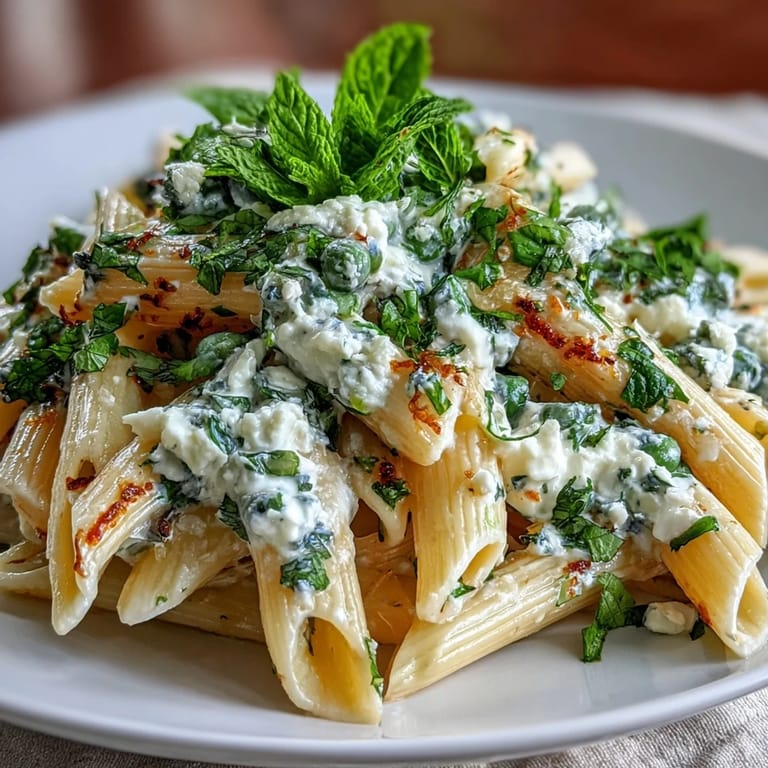
Save There's something about April mornings that makes me crave this pasta—when the farmers market suddenly bursts with tender peas still in their pods and the mint practically jumps into your basket. I discovered this dish almost by accident, really, having bought too many peas and a tub of ricotta on the same shopping trip and deciding to see what happened if I treated them as the main event rather than supporting players. The result was so bright and uncomplicated that it became my go-to when I wanted something that felt both effortless and special, the kind of meal that tastes like you spent hours cooking when you actually didn't.
I made this for my sister last spring when she stopped by unexpectedly, and I remember her sitting at the kitchen counter while I worked, telling me about a terrible meeting she'd just left. Halfway through her bowl, she paused mid-sentence and said the pasta had completely changed her mood—not because it was fancy, but because it tasted exactly like what she needed in that moment. That's when I understood this dish isn't really about technique; it's about how quickly something simple can feel nourishing.
Ingredients
- Short pasta (penne, fusilli, or orecchiette): The shape matters more than you'd think because these tubes and spirals catch the creamy sauce and hold onto the peas, making every bite feel intentional.
- Fresh or frozen peas: Fresh peas are gorgeous if you can find them, but frozen ones work brilliantly and often taste sweeter because they're frozen at peak ripeness—don't feel bad reaching for them.
- Ricotta cheese: This is the secret to the whole dish; it transforms into a silky sauce when you stir it off the heat with a splash of pasta water, so buy the best quality you can find.
- Garlic: Just two cloves, finely chopped, because you want their presence felt, not their flavor dominating the delicate peas and mint.
- Parmesan cheese: Grated fresh is worth the effort here—it melts into the sauce and adds a salty depth that balances the sweetness.
- Fresh mint: This is non-negotiable; dried mint tastes like nothing in comparison, so splurge on a small bunch and use it generously.
- Lemon zest: A microplane zester will change your life here, giving you those bright, fragrant shreds that pop against the creaminess.
- Extra-virgin olive oil: Use one you actually enjoy tasting, because it matters when there are so few ingredients competing for attention.
Tired of Takeout? 🥡
Get 10 meals you can make faster than delivery arrives. Seriously.
One email. No spam. Unsubscribe anytime.
Instructions
- Start the pasta in generously salted water:
- Fill your largest pot about three-quarters full with cold water, add a handful of salt (it should taste like the sea), and bring it to a rolling boil. The water is your seasoning base, so don't skimp.
- Cook the pasta to al dente:
- Add your pasta and stir it once to prevent sticking, then follow the package instructions but start checking a minute before the suggested time. You want a slight firmness when you bite into it because it will soften just slightly more as you toss it with the warm sauce.
- Make your aromatics:
- While the pasta cooks, warm olive oil in a large pan over medium heat and add your finely chopped garlic, listening for that gentle sizzle and waiting until the smell becomes almost sweet. This takes about one minute, and if you let it go too long, the garlic turns bitter and shadows the whole dish.
- Cook the peas until they're just tender:
- Add your peas to the garlicky oil and let them warm through for two to three minutes, tossing occasionally; they should stay bright green and pop easily between your teeth but not be mushy. If you're using frozen peas, they'll take a minute or two longer, and that's perfectly fine.
- Combine the pasta with the peas:
- Drain your pasta, reserving that cup of starchy water first, then add the hot pasta to the pan with the peas. Toss everything together so the pasta absorbs the garlic oil and the peas distribute evenly.
- Create the creamy sauce off the heat:
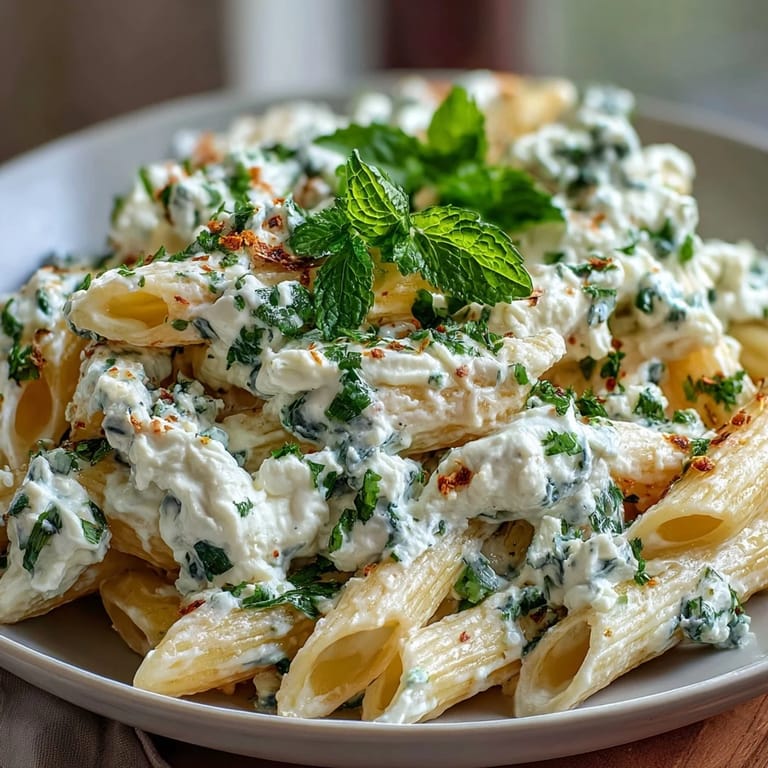
- Remove the pan from the heat completely, then stir in your ricotta in spoonfuls, along with the lemon zest, grated Parmesan, and half the mint. Add your reserved pasta water slowly, stirring gently, until you have a sauce that coats the pasta like silk but still flows slightly when you lift the spoon.
- Taste and finish:
- Season generously with black pepper and a pinch of salt if needed, then divide among warm bowls and scatter the remaining fresh mint and extra Parmesan over the top. Eat it immediately, while the pasta still holds its warmth.
 Save
Save I once made this for a dinner party where I was nervous about impressing someone's new partner, and I remember standing in my kitchen realizing halfway through that I was actually enjoying the cooking instead of stressing about it. That's when I understood why this dish has become such a comfort to me—there's nothing to hide behind, no complicated technique to save you if something goes wrong, just good ingredients that speak for themselves. It's honest food that trusts itself, and somehow that gives you permission to do the same.
When Spring Meets Your Kitchen
This pasta captures everything good about spring eating—it's light enough that you don't feel weighed down, but rich enough to feel genuinely satisfying. The sweetness of the peas against the earthiness of the garlic and the brightness of lemon and mint creates this perfect balance that makes you want to eat slowly and pay attention. If you're the sort of person who gets bored eating the same thing twice, this is your answer because the quality of your peas, the intensity of your mint, and the age of your Parmesan will shift subtly each time you make it.
Playing with Variations
The beautiful thing about this dish is how gracefully it accepts additions without losing its essential character. A handful of baby arugula or tender spinach folded in at the end adds a subtle peppery note, or if you want textural contrast, toasted pine nuts scatter across the top with an elegant crunch. Some people add a anchovy or two dissolved into the oil with the garlic, which sounds odd until you taste how it deepens everything without announcing itself—the umami just makes all the other flavors sing louder.
Serving and Pairing Thoughts
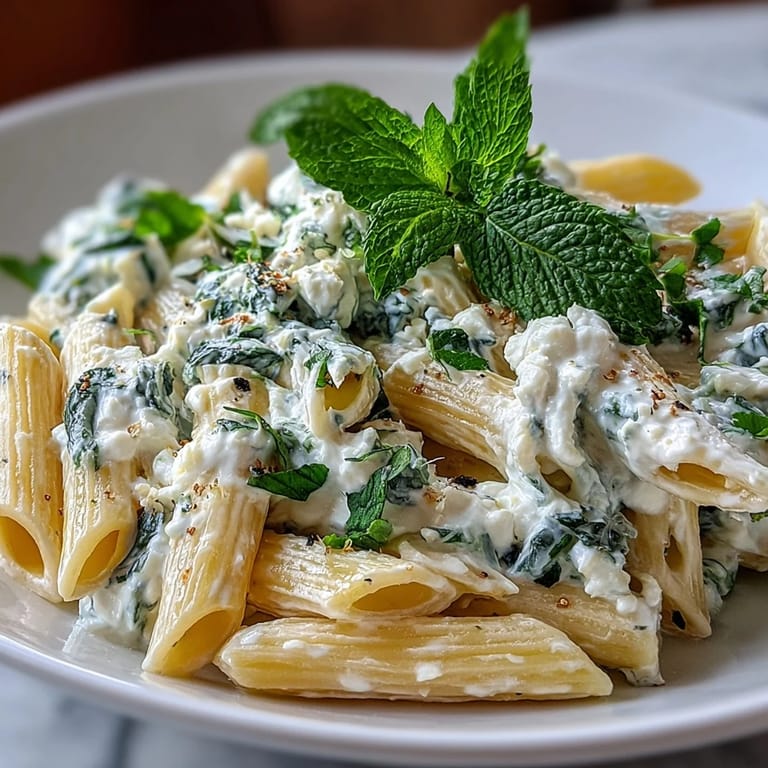
Serve this pasta in warm bowls immediately after plating, because the heat matters—it keeps the ricotta silky and lets all those delicate flavors wake up on your palate. A crisp white wine like Sauvignon Blanc or Pinot Grigio is the obvious choice, cutting through the richness with acidity, but honestly, a very cold glass of something simple is just as lovely. This is the kind of meal that doesn't need much else—maybe some good bread for soaking up any sauce left at the bottom of the bowl, and a simple green salad with lemon vinaigrette if you're feeling virtuous.
- If your sauce seems too thick when you're plating, warm a splash of pasta water and swirl it in—there's no such thing as too creamy in this context.
- Make sure all your ingredients are prepped before you start cooking because the pasta waits for no one, and you want to move quickly once it hits the pan.
- Leftovers can be gently reheated with a little water or milk stirred through, though honestly this dish tastes best eaten fresh while the mint still smells like the market.
 Save
Save This pasta has taught me that sometimes the most rewarding meals are the ones that don't require much from you, just presence and good ingredients chosen with intention. Make it when you want to feel like you're eating spring, or when someone you care about needs something that tastes like exactly what they needed.
Common Questions
- → What type of pasta works best with this dish?
Short pasta shapes like penne, fusilli, or orecchiette are ideal as they hold the sauce well and complement the peas and ricotta.
- → Can I use frozen peas in this dish?
Yes, frozen peas can be used. Just cook them slightly longer until tender and bright green for the best texture.
- → How do I make the sauce creamy without cream?
Combining ricotta cheese with some reserved pasta water creates a naturally smooth and creamy sauce that coats the pasta evenly.
- → What herbs enhance the flavor of this pasta?
Fresh mint adds a fragrant, vibrant note that complements the rich ricotta and sweet peas perfectly.
- → Can this dish be made vegan?
Yes, vegan versions of ricotta and Parmesan can be substituted to keep the creamy texture while avoiding dairy.
- → What wine pairs well with this pasta?
A crisp white like Sauvignon Blanc or Pinot Grigio beautifully balances the freshness and creaminess in the dish.