 Save
Save There's a particular Tuesday evening that comes to mind whenever I make this salmon pasta—the kind of night when someone's running late, the fridge feels half-empty, and you need something that tastes like you've been cooking all afternoon. I pulled out a tin of hot-smoked salmon, some cream, and a lemon, and twenty-five minutes later, the kitchen smelled like a seaside restaurant. My dinner guest walked in mid-sauté, and the whole mood of the evening shifted. That's when I realized this dish has a quiet kind of magic.
I made this for my sister after she'd had a brutal week at work, and watching her face when she tasted it—that moment of genuine comfort and pleasure—reminded me why simple food done well matters so much. She asked for the recipe before she'd even finished eating, and now it's become her go-to when she needs to feel like she's taking care of herself.
Ingredients
- Dried fettuccine or spaghetti, 350 g: The shape holds the cream beautifully; spaghetti gets slippery, fettuccine clings and carries the sauce.
- Unsalted butter, 2 tbsp: This is your foundation—it carries the garlic and shallot flavors before the cream arrives.
- Garlic and shallot: The shallot adds sweetness that butter and lemon amplify; garlic gives backbone.
- Heavy cream, 200 ml: Don't skip this or cut it too much; it's what makes the sauce silk itself around the pasta.
- Dijon mustard, 1 tsp: This sounds small but it brightens everything and prevents the sauce from tasting flat.
- Lemon zest and juice: The zest goes in early so it infuses the whole sauce; the juice comes at the end for freshness you can actually taste.
- Reserved pasta water, 100 ml: This starch is what transforms a heavy sauce into something balanced and glossy.
- Hot-smoked salmon, 150 g: The heat-smoking means it's already cooked and its texture is firmer—it won't disintegrate into the sauce like fresh salmon would.
- Parmesan cheese, 30 g: Adds umami and helps emulsify the sauce into something creamy even with less cream than traditional recipes.
- Fresh dill or parsley, 2 tbsp: Dill feels more intuitive with salmon, but parsley works if that's what you have.
Tired of Takeout? 🥡
Get 10 meals you can make faster than delivery arrives. Seriously.
One email. No spam. Unsubscribe anytime.
Instructions
- Boil the pasta with intention:
- Salt your water generously—it should taste like the sea. This is where half your seasoning happens, and there's no fixing it later.
- Build your flavor base:
- Melt butter over medium heat, then watch the garlic and shallot turn golden and soft, about 2-3 minutes. You'll smell when they're ready; it's a gentle, sweet aroma.
- Create the creamy foundation:
- Pour in cream, add the mustard and lemon zest, then let it simmer quietly for 2-3 minutes. Don't rush this; the flavors need a moment to find each other.
- Welcome the salmon gently:
- Fold in the flaked salmon with half your herbs, stirring just enough to warm it through without breaking it apart.
- Marry pasta and sauce:
- Toss the drained pasta into the skillet, adding reserved pasta water a splash at a time until the sauce coats every strand. This is where patience pays off—the sauce should move with the pasta, not sit separately.
- Finish with precision:
- Grate Parmesan over everything, season with black pepper, taste, adjust salt if needed, then serve immediately topped with remaining herbs and extra lemon zest.
 Save
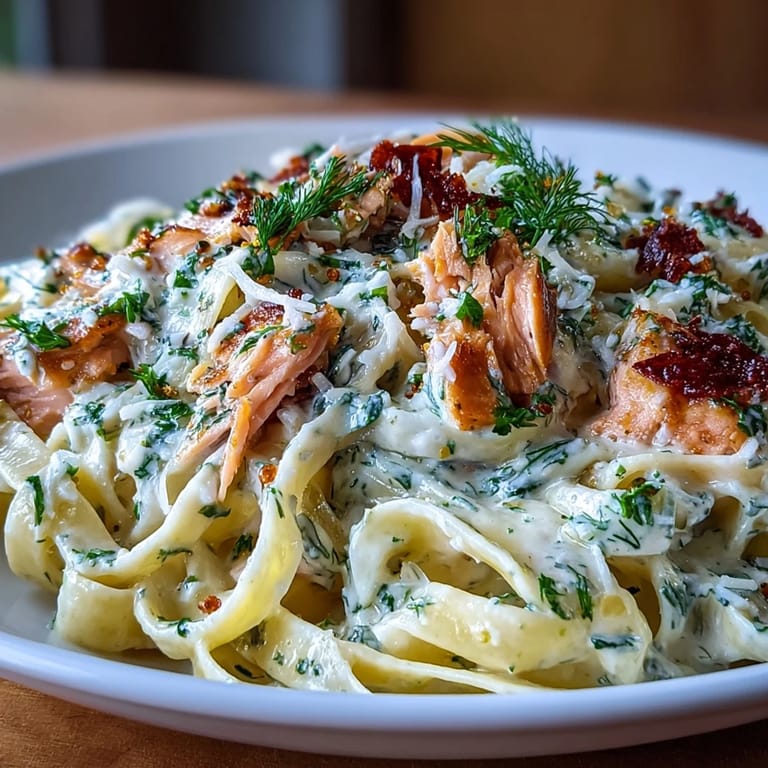
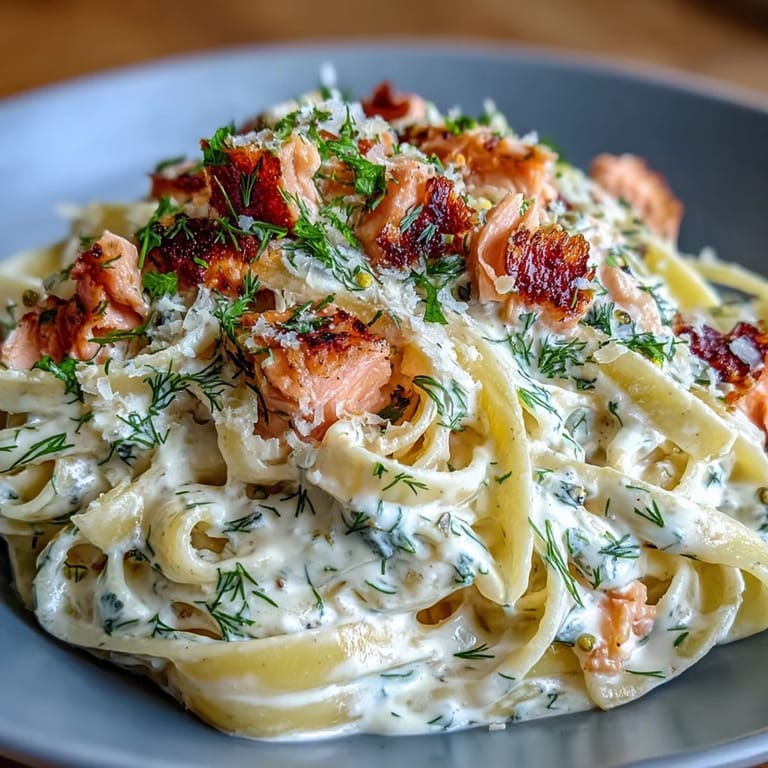
Save There's a moment near the end of cooking when you toss everything together and the pasta glistens under the cream, and the salmon flakes catch the light—it stops being just dinner and becomes something you want to photograph, even if you're not the type to photograph food. That's the moment you know it worked.
Why Hot-Smoked Salmon Changes Everything
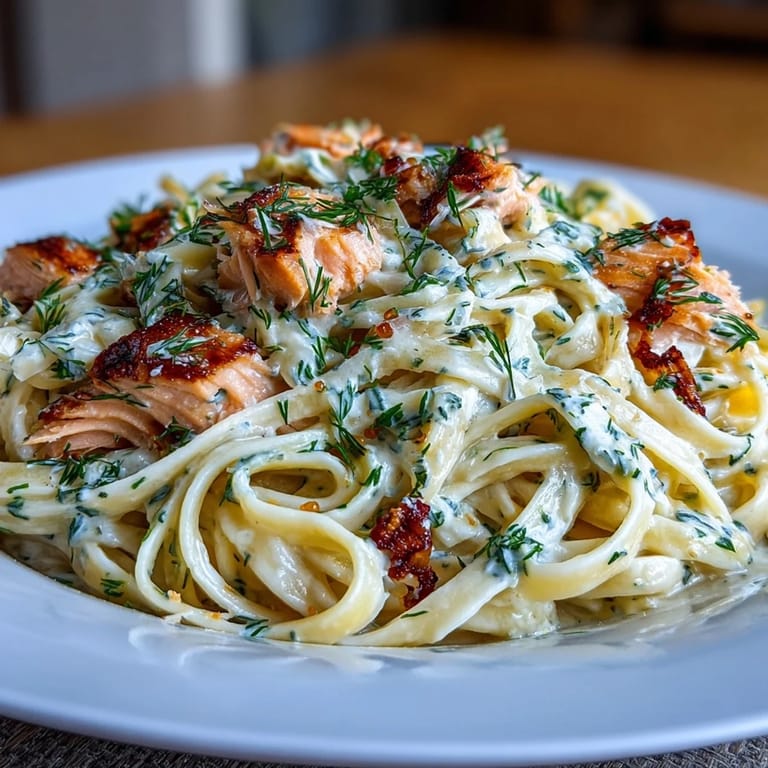
Regular cooked salmon can turn mushy in a creamy sauce; hot-smoked salmon has been heat-treated already, so it stays firm and flaky and almost buttery. I learned this the hard way after attempting this with fresh salmon one night—the texture fell apart and everything tasted muddy. The moment I switched to hot-smoked, the dish became what it's supposed to be: sophisticated but effortless.
The Lemon Question
Lemon here isn't a whisper; it's a conversation. The zest goes into the cream early so it infuses everything, while the juice comes at the very end to keep things bright and prevent the sauce from feeling heavy. Some nights I add a touch more juice than the recipe calls for because I like the acidity to cut through the richness, and that's exactly what you should do if it feels right to you.
Timing, Flexibility & Your Kitchen Rhythm
This recipe is forgiving in ways that matter: the pasta can wait a few minutes in the finished sauce without breaking, the cream won't separate if your heat is even, and if you taste it and want more salt or lemon, you can add it without consequence. The only real rule is not to walk away while the cream is simmering; that's when things either get better or turn on you.
- If you like white wine, add a splash after the shallot softens and let it reduce by half before the cream—it adds complexity without making the dish taste boozy.
- Fresh dill is worth seeking out, but frozen works better than dried herbs ever could.
- This serves four generously or six if you're stretching it with a good salad and bread.
 Save
Save This pasta lives in that sweet spot where it feels generous and careful at the same time, like someone's taking care of you. Make it for yourself on a Tuesday when you need it, or for someone else when they do.
Common Questions
- → What type of salmon works best?
Hot-smoked salmon flakes beautifully and adds deep, savory flavor to the creamy sauce. Cold-smoked salmon can be used but may require gentle heating to avoid becoming tough.
- → Can I make this lighter?
Substitute half the heavy cream with whole milk for a lighter version while maintaining creaminess. You can also increase the pasta water to create more volume without adding extra dairy.
- → What pasta shapes work well?
Long noodles like fettuccine, spaghetti, or linguine are traditional choices that coat beautifully with the sauce. Short shapes like penne or fusilli also work if you prefer something that catches the sauce in pockets.
- → How do I store leftovers?
Store in an airtight container in the refrigerator for up to 2 days. Reheat gently with a splash of cream or pasta water to restore the silky consistency. The pasta may absorb more sauce as it sits.
- → Can I use fresh salmon instead?
Fresh salmon can be pan-seared separately and flaked in, though you'll miss the distinctive smoky flavor. Consider adding a pinch of smoked paprika to compensate for the missing smokiness.
- → What wine pairs with this dish?
A crisp Sauvignon Blanc or Pinot Grigio cuts through the rich cream sauce beautifully while complementing the smoky salmon. The wine's acidity balances the dish's velvety texture.