 Save
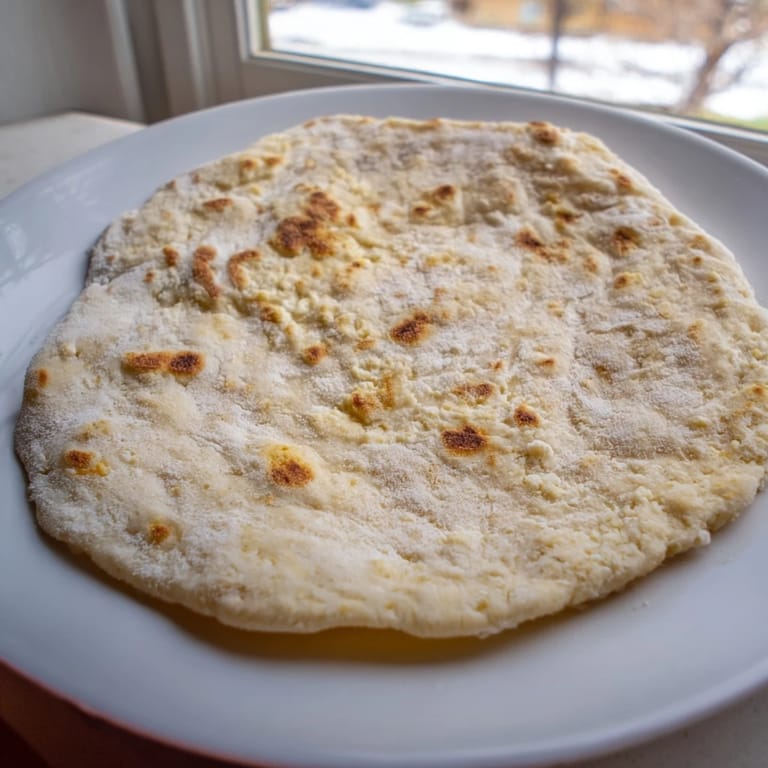
Save I discovered these flatbreads by accident one Tuesday morning when I found a tub of cottage cheese nearing its expiration date and Greek yogurt that needed using up. Rather than toss them, I wondered what would happen if I mixed them into a simple dough, and the result was so unexpectedly tender and subtly tangy that I've made them constantly ever since. The cottage cheese creates this incredible soft crumb that stays chewy even hours later, and the yogurt keeps the dough from needing kneading skills you might not have. They're the kind of bread that tastes far more complicated than it actually is.
I remember making these for a friend who was nervous about cooking bread, and watching her roll out that first ball of dough and flip it perfectly golden in the pan gave me so much joy. She couldn't believe she'd made it herself, and that confidence boost was worth more than the flatbreads themselves. Now she texts me photos of her kitchen attempts, which is the best outcome any recipe can have.
Ingredients
- Plain flour (200 g): Use all-purpose flour for reliability, and keep extra nearby for dusting because the dough will be slightly sticky and that's normal.
- Greek yogurt (120 g): The yogurt replaces water and oil, making these flatbreads impossibly soft without being dense.
- Cottage cheese (100 g): This is the secret—it hydrates the dough and adds a subtle tang that makes people ask what you put in them.
- Baking powder (1/2 tsp): Just enough to help the flatbreads puff slightly and cook through without tasting baking-soda-y.
- Fine sea salt (1/2 tsp): Brightens the subtle dairy flavors and prevents them from tasting one-dimensional.
- Olive oil or melted butter (2 tbsp): For cooking—choose whichever you have, though the butter will give you more browning.
Tired of Takeout? 🥡
Get 10 meals you can make faster than delivery arrives. Seriously.
One email. No spam. Unsubscribe anytime.
Instructions
- Combine dry ingredients:
- Whisk flour, baking powder, and salt in a large bowl—this distributes the leavening evenly and prevents lumpy flatbreads.
- Introduce the dairy:
- Add Greek yogurt and cottage cheese to the flour, stirring with a spoon or your hands until a shaggy, wet dough forms. Don't worry about it looking rough at this stage.
- Knead gently:
- On a floured surface, knead for just 2–3 minutes until the dough feels smooth and holds together. If it's too sticky, dust in a little more flour, but remember that slightly moist dough gives you better texture.
- Divide into portions:
- Cut the dough into 6 equal pieces and roll each one into a ball. This ensures even cooking and prevents some flatbreads from being thicker than others.
- Roll them flat:
- Using a rolling pin, flatten each ball into a round about 5–6 mm thick, dusting with flour as you go to prevent sticking. Aim for roughly even thickness so they cook evenly.
- Heat your pan:
- Place a nonstick skillet or cast iron pan over medium heat and let it warm for a minute. You want it hot enough to sizzle slightly when you brush on the oil, but not smoking.
- Cook until golden:
- Brush the pan lightly with oil, then cook flatbreads one or two at a time for 2–3 minutes per side until golden spots appear and the bread feels cooked through when you press it gently. The smell will be your best guide—toasty and warm.
- Keep them warm:
- Transfer cooked flatbreads to a plate and cover with a clean kitchen towel to trap steam and keep them soft. Repeat with remaining dough.
 Save
Save There's something wonderfully grounding about cooking these flatbreads when you're feeling frazzled—something about the rhythm of rolling, the sound of them hitting the hot pan, and watching them transform into something golden makes you feel competent even if everything else that day has been chaos. My partner now requests them when I've had a rough week because she knows I need that ritual.
Why These Flatbreads Are Different
Most flatbread recipes rely on oil or butter to create tenderness, but the cottage cheese does that work here, which means they're actually lighter than they taste. The Greek yogurt adds structure and prevents them from becoming greasy, and together these two dairy ingredients create a crumb that's tender without being crumbly. I've made dozens of flatbread variations, and this combination is genuinely the most foolproof.
Flavor Variations Worth Trying
Once you've made these once, you'll see how endlessly adaptable they are. I've stirred fresh herbs, minced garlic, and even a pinch of cumin into the dough, and each version surprised me in the best way. The base recipe is so neutral that it plays well with almost anything you're adding.
Storage and Serving
These flatbreads stay soft in an airtight container for up to three days, and reheating them in a dry pan for 20–30 seconds per side brings back that warmth and flexibility. Serve them warm with dips, soups, or whatever else you're eating that day.
- Wrap them around roasted vegetables, grilled chicken, or feta and cucumber for easy meals.
- Tear them into pieces and serve alongside soup instead of crackers for a more substantial experience.
- Make them an hour ahead and reheat gently just before eating if you're cooking for people and want everything warm at once.
 Save
Save These flatbreads have become the bread I reach for when I want something that feels homemade without the fuss, and they're proof that sometimes the best recipes come from using up what you have. I hope they become as reliable in your kitchen as they've become in mine.
Common Questions
- → What makes these flatbreads tender?
The addition of cottage cheese to the yogurt and flour dough adds moisture and a subtle tang, resulting in a tender and chewy texture.
- → Can I add herbs or flavors to the dough?
Yes, mixing chopped herbs like parsley, chives, or dill, or minced garlic into the dough enhances flavor and freshness.
- → How should I cook these flatbreads?
Cook them in a lightly oiled nonstick or cast iron skillet over medium heat for 2–3 minutes per side until golden spots appear.
- → Can I store and reheat leftover flatbreads?
Store flatbreads in an airtight container and reheat in a dry pan to regain warmth and softness before serving.
- → What is the best flour to use for the dough?
Plain (all-purpose) flour works well, providing structure while allowing a tender crumb when combined with yogurt and cottage cheese.