 Save
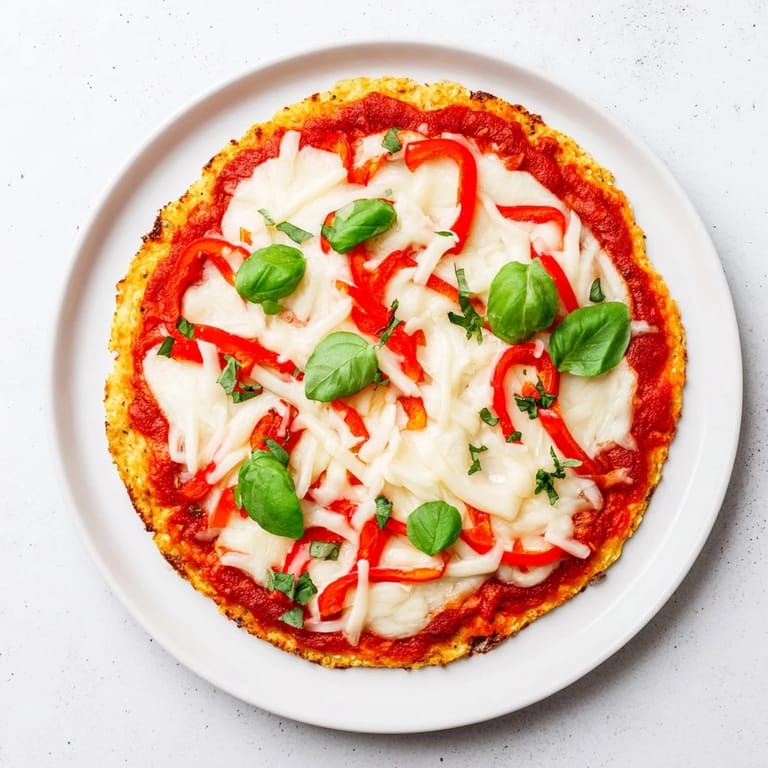
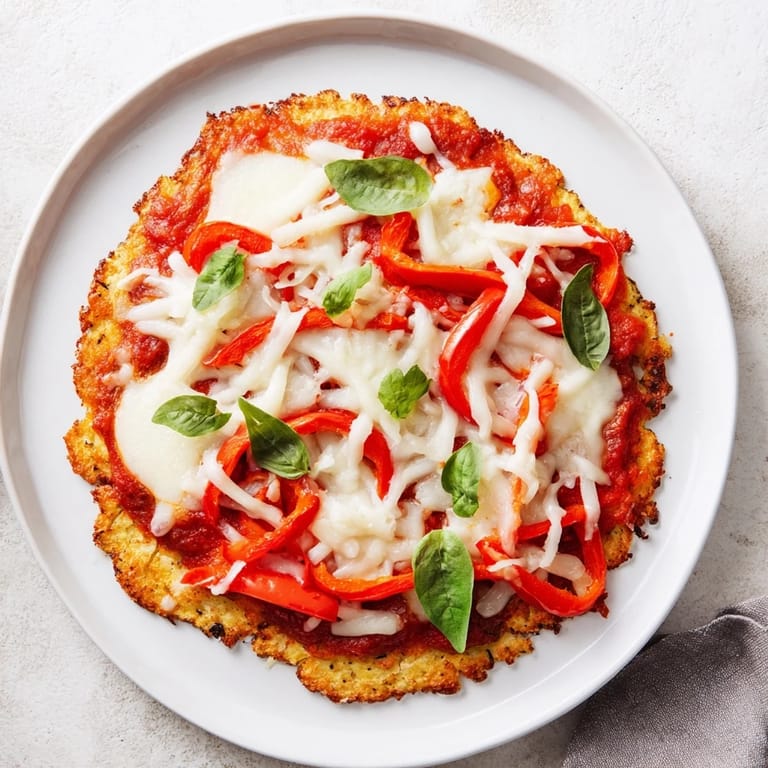
Save My friend Sarah brought a cauliflower pizza to a dinner party last summer, and I'll admit I was skeptical. Low-carb crust sounded like a compromise—until I took that first bite and realized the crust was genuinely crispy, almost nutty, nothing like the cardboard alternatives I'd tried before. She'd spent months perfecting it, and that night I finally understood why she kept raving about it. Now whenever I want pizza without the heaviness, this is the only way I make it.
I made this for my sister when she went keto, expecting her to politely choke it down while secretly missing regular pizza. Instead, she devoured two slices and asked for the recipe. That moment—when she realized she could still have pizza nights—changed how she felt about the whole diet thing. It wasn't deprivation anymore; it was possibility.
Ingredients
- Cauliflower: The heart of everything—one medium head gives you enough base for a proper pizza that feeds two or three people comfortably.
- Large egg: The binder that holds everything together without much fanfare.
- Mozzarella cheese: Use whole milk mozzarella if you can; it melts better and gives you that stretchy quality you actually want.
- Parmesan cheese: This is the secret to depth—it adds a sharpness that makes people wonder what your ingredient is.
- Oregano, garlic powder, salt, pepper: Keep these amounts as written; too much seasoning in the base competes with your toppings.
Tired of Takeout? 🥡
Get 10 meals you can make faster than delivery arrives. Seriously.
One email. No spam. Unsubscribe anytime.
Instructions
- Pulse your cauliflower into rice:
- Cut the head into florets and pulse them in a food processor until they look like couscous, not flour—you want texture. This takes about 30 seconds of attention.
- Steam it into submission:
- Microwave the cauliflower rice for 4-5 minutes until it's soft but not mushy. Let it cool just enough to touch comfortably.
- Squeeze like your life depends on it:
- Wrap the cooked cauliflower in a clean kitchen towel and squeeze out every drop of moisture you can manage. This is the step that separates crispy crust from sad mush—don't skip it or rush it.
- Mix into a cohesive dough:
- Combine the dried cauliflower with egg, both cheeses, and seasonings until everything is evenly distributed and sticky. It should hold together when you squeeze it.
- Shape and pre-bake your foundation:
- Spread the mixture on parchment paper into a thin, even crust about quarter-inch thick. Bake at 220°C (425°F) for 20-25 minutes until the edges are golden and the whole thing feels firm to the touch.
- Top and finish:
- Add whatever toppings call to you, then bake another 5-8 minutes until cheese bubbles and any fresh toppings soften slightly. You want melted cheese, not charred sadness.
 Save
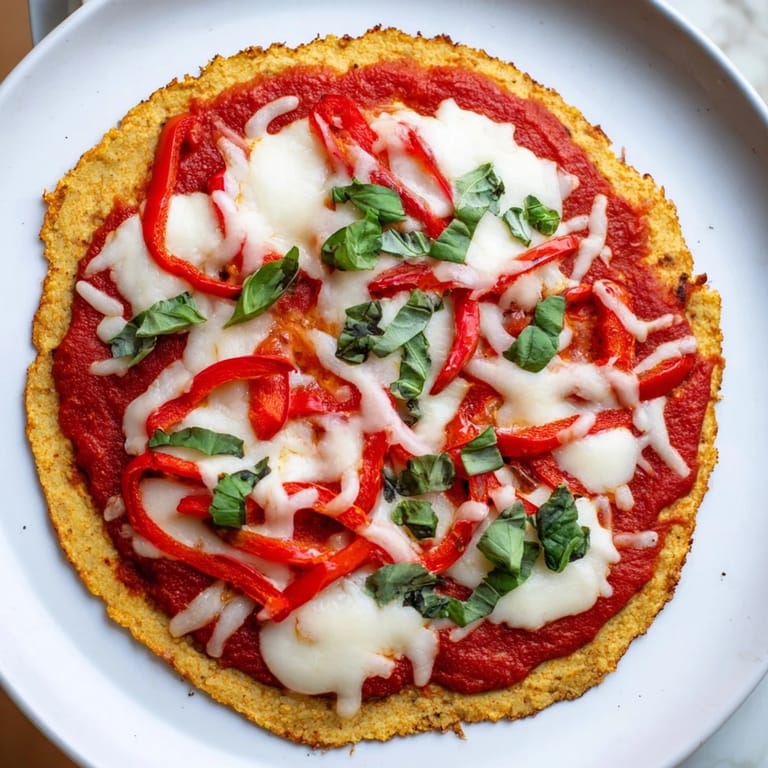
Save My sister's husband, who grew up on traditional New York pizza, actually said this was good without any qualifiers or pity attached. That's when I knew the crust had crossed from diet food into something worth making for its own sake.
The Moisture Myth (And Why It Matters)
Every recipe you'll find says to remove moisture, but I didn't truly understand why until my second attempt. I thought the paper towel squeeze was polite suggestion, not necessity. The result was a crust that collapsed under toppings and tasted faintly watery. The third time, I switched to cheesecloth and held nothing back, and suddenly everything worked. Moisture is the enemy of crisp, so treat that squeezing step like you're defending the integrity of your entire pizza.
Building Your Perfect Topping Strategy
The base is forgiving, but toppings are where personality happens. I used to overload mine like a traditional pizza, and the weight would cause the crust to sag. Now I'm strategic: lighter is better, and distribution matters. A thin spread of sauce, a moderate amount of cheese, and vegetables scattered generously works far better than piling everything on one half of the pizza. The crust stays crisp throughout, and you actually taste each component instead of a soggy mass.
Storing and Reheating Wisdom
Leftovers reheat beautifully in a 180°C (350°F) oven for about 5 minutes—the crust crisps back up instead of getting rubbery like it would in a microwave. You can also make the crust ahead of time, cool it completely, wrap it tightly, and refrigerate for up to three days before topping and final baking. This makes weeknight pizza nights feel intentional instead of chaotic.
- Slice before serving, even if it's still slightly warm, to avoid tearing the crust.
- Store leftovers in an airtight container to keep them from absorbing fridge odors.
- Frozen crusts (before topping) keep for up to a month if you wrap them well.
 Save
Save This pizza changed how I think about diet food. It's not a sacrifice version; it's just a different way to get what you actually want. Once you nail the technique, you'll keep making it.
Common Questions
- → How do I ensure the crust is crispy?
Make sure to squeeze out all excess moisture from the cooked cauliflower using a clean towel. This step prevents sogginess and helps achieve a crispy texture during baking.
- → Can I make this crust vegan?
Yes, replace the egg and cheese with vegan alternatives such as flaxseed egg and plant-based cheese substitutes to maintain texture and flavor.
- → What cheeses are used in the base?
Mozzarella and Parmesan cheeses are grated and combined with cauliflower and egg to create a cohesive, flavorful dough.
- → Is this suitable for low-carb diets?
Yes, using cauliflower as the base significantly reduces carbohydrates compared to traditional dough, making it ideal for low-carb and keto lifestyles.
- → What cooking tools are needed?
A food processor for pulsing cauliflower, a microwave to soften it, a kitchen towel or cheesecloth to drain moisture, and a baking sheet lined with parchment paper for baking the crust.