 Save
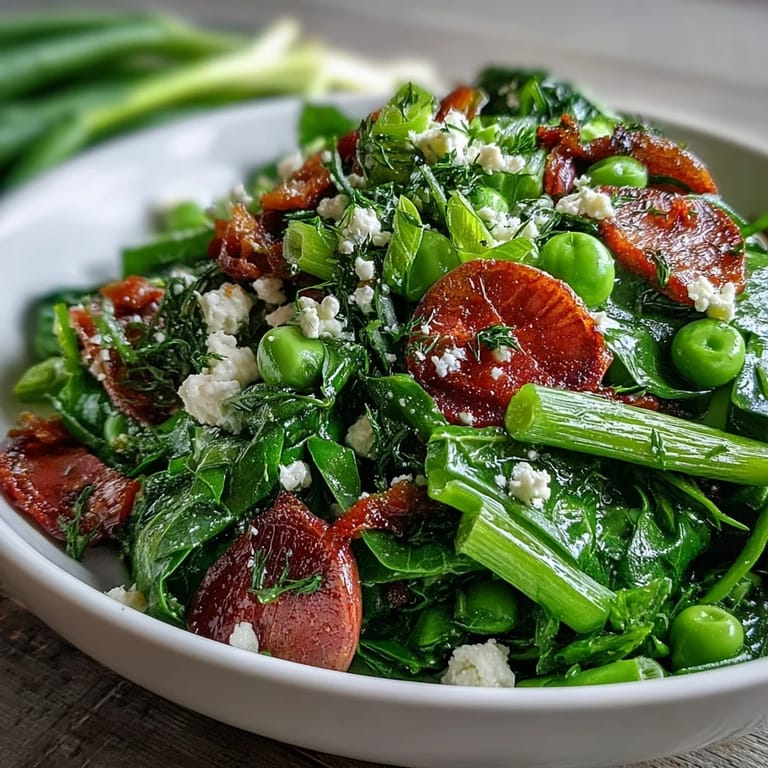
Save There's a moment every spring when I realize I've been eating the same heavy winter foods for too long, and my kitchen practically begs for something bright and alive. That's when this salad came into my life—not from a fancy restaurant or cookbook, but from a farmers market visit where the radishes were so crisp they practically sang, and the peas tasted like sunshine. I threw together what I had that afternoon, and somehow the simplicity of it became the whole point.
I made this for a friend who'd been under the weather, and watching her face light up when she tasted it told me everything. She said it tasted like the season changing, like the earth finally deciding to show off a little after months of gray skies. That's when I understood this wasn't just a salad—it was a small act of kindness that happened to involve vegetables.
Ingredients
- Mixed spring greens (4 cups): Use arugula, baby spinach, and watercress for a peppery contrast, though whatever tender greens you find will work beautifully.
- Sugar snap peas (1 cup): Slice them on the diagonal so they catch the dressing and look elegant without trying too hard.
- Fresh or frozen green peas (1 cup): Frozen ones work just as well and sometimes taste sweeter than fresh, which I discovered by accident one winter.
- Radishes (6): Slice them thin so they stay crisp and their peppery bite doesn't overwhelm everything else.
- Red onion (1/4 small): This becomes almost sweet as it sits in the vinaigrette, adding a subtle sharpness that ties everything together.
- Extra virgin olive oil (1/4 cup): This is where quality matters, so use something you'd actually taste on its own.
- Fresh lemon juice (2 tablespoons): Real lemons, please—the bottled stuff tastes tired in comparison.
- Lemon zest (1 teaspoon): Grate it finely so it distributes evenly and releases bright citrus notes throughout.
- Dijon mustard (1 teaspoon): It acts as an emulsifier and adds a subtle depth that makes people wonder what you did differently.
- Honey (1 teaspoon): A tiny bit rounds out the acidity and keeps the vinaigrette from tasting too sharp.
- Sea salt (1/2 teaspoon) and black pepper (1/4 teaspoon): Season as you taste, because your lemons might be more or less acidic than mine.
- Fresh chives (2 tablespoons): Chopped just before serving, they add a whisper of onion flavor that feels sophisticated.
- Feta cheese (2 tablespoons, optional): Crumbled into salty little pockets that contrast beautifully with the bright vegetables.
Tired of Takeout? 🥡
Get 10 meals you can make faster than delivery arrives. Seriously.
One email. No spam. Unsubscribe anytime.
Instructions
- Gather your vegetables and prepare them gently:
- Wash the greens and pat them dry—wet lettuce dilutes dressing and makes everything soggy. Trim the snap peas and slice them on a diagonal so they look intentional, then thaw your green peas if using frozen and pat them dry too.
- Build the salad bowl:
- Combine the greens, both types of peas, radishes, and red onion in your largest bowl, tossing everything together with your hands so you can feel when it's evenly distributed.
- Make the vinaigrette while everything is fresh:
- Whisk the olive oil, lemon juice, zest, mustard, honey, salt, and pepper together in a small bowl until the mixture looks creamy and emulsified. Taste it straight from the whisk—it should make your mouth water with brightness.
- Dress and toss with a light hand:
- Drizzle the vinaigrette over the salad and toss gently so the greens coat without bruising, then taste and adjust seasoning if needed because every lemon is different.
- Plate and garnish just before serving:
- Transfer to a serving platter or individual bowls, scatter the chives and feta across the top, and bring it to the table immediately while everything is still at its crispest.
 Save
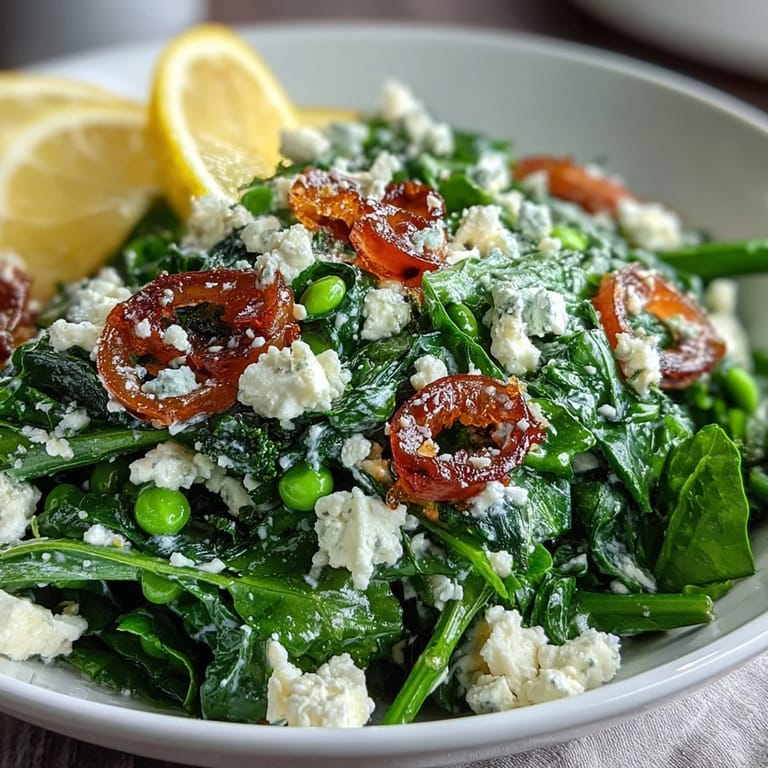
Save There was an afternoon when I made this for my sister and her new partner, and they spent so much time talking and laughing that the salad sat there getting soft, but nobody cared because the moment was perfect. That's when I realized the best recipes are the ones that fade into the background while people connect over something real and delicious.
The Magic of Fresh Spring Produce
Spring vegetables have a tenderness and sweetness that winter crops simply can't match, and learning to celebrate them simply rather than mask them changed how I cook. The peas taste almost floral when they're fresh, the radishes have a crisp bite that mellows beautifully with acid, and the greens are so delicate they don't need much coaxing. This salad respects those qualities instead of bullying them into submission with heavy dressings or too many competing flavors.
Why the Lemon Vinaigrette Works
I spent years making vinaigrettes that either tasted too sharp or too dull, until I learned that mustard and honey are the secret handshake that makes everything balance. The mustard emulsifies the oil so the dressing actually clings to the vegetables instead of sliding off, while the honey softens the lemon's acidity just enough that it feels like a hug instead of a shock. Lemon zest adds tiny bursts of flavor that a squeeze of juice alone can never achieve, turning something ordinary into something you think about days later.
Occasions and Adaptations
This salad has shown up at potlucks, picnics, and quiet dinners when I couldn't be bothered to cook something complicated. It pairs seamlessly with grilled chicken or salmon if you need protein, and it transforms beautifully into a vegan dish by leaving off the feta or using a cashew-based alternative. A handful of toasted sunflower seeds or sliced almonds adds crunch if you're in the mood, and a cold glass of Sauvignon Blanc alongside it feels like spring in a glass.
- Make extra vinaigrette and keep it in the refrigerator for up to five days to dress leftover vegetables.
- Build the salad in layers in a glass jar if you're packing it for lunch, with greens on the bottom and dressing added right before eating.
- This recipe doubles or triples easily if you're feeding a crowd, so don't hesitate to scale up.
 Save
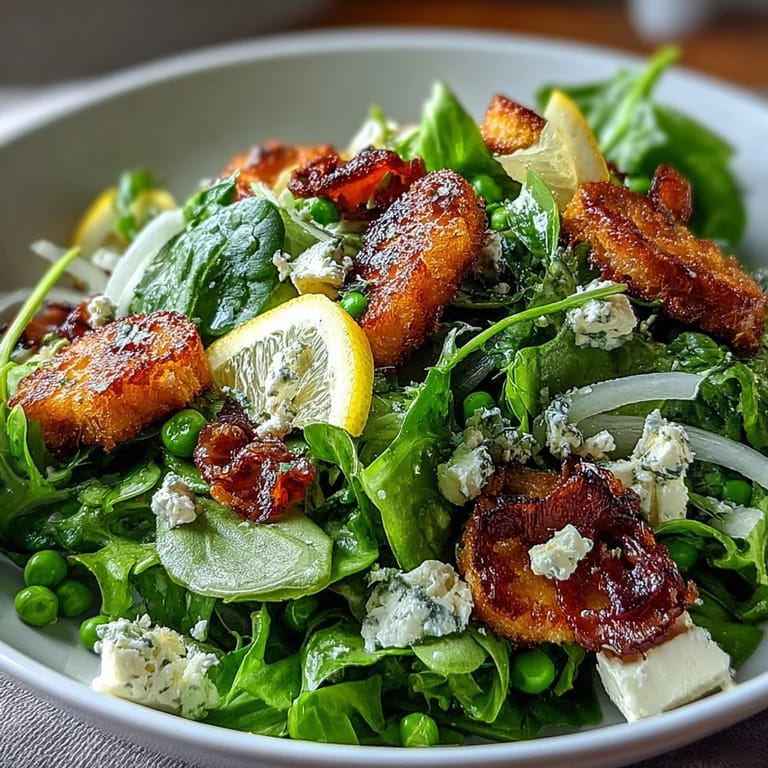
Save This salad reminds me that the best cooking often comes from paying attention to what's in front of you rather than following instructions too rigidly. Make it your own, taste as you go, and trust that something this simple and honest can be exactly what people need.
Common Questions
- → What greens work best for this salad?
Mixed spring greens such as arugula, baby spinach, and watercress provide a tender, peppery base that complements the vinaigrette and other ingredients.
- → Can I use frozen peas in this salad?
Yes, fresh or thawed frozen green peas both work well, adding sweet bursts of flavor and texture.
- → How do I make the lemon vinaigrette more balanced?
Whisk together olive oil, fresh lemon juice, lemon zest, Dijon mustard, honey, sea salt, and pepper until emulsified for a bright, tangy dressing with subtle sweetness.
- → What can I substitute for feta cheese?
For a dairy-free or vegan version, omit the feta or use plant-based cheese alternatives to maintain creaminess and flavor.
- → How can I add crunch to this salad?
Adding toasted sunflower seeds or sliced almonds offers a pleasant crunch that contrasts the tender greens and peas.
- → Is this salad suitable for gluten-free diets?
Yes, this dish uses gluten-free ingredients, making it appropriate for gluten-sensitive individuals.