 Save
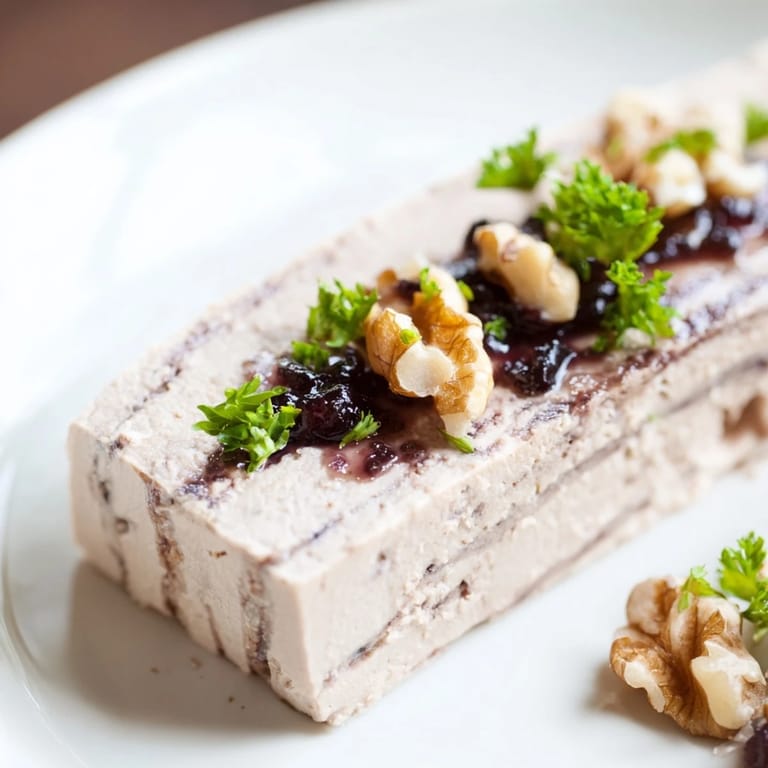
Save There's something about pâté that stops a dinner party mid-conversation. I discovered this layered version at a tiny wine bar in Lyon, where the owner kept insisting that the real magic wasn't in the pâté itself, but in what hid beneath it. She was right. That first bite—when your teeth hit a walnut buried under jam and cream—feels like a small conspiracy between you and the plate.
I made this for a potluck once, terrified it would be too fancy or too weird, and it was gone before the main course arrived. A woman I'd never met before came back to ask for the recipe, and I watched her face when she described the moment of hitting that hidden walnut layer—she got it immediately, the way you do when food surprises you in the best way.
Ingredients
- Pâté (200 g): The foundation—smooth, rich, and forgiving. Store-bought duck or chicken liver pâté works beautifully here; there's no shame in letting someone else handle that step.
- Fig jam (4 tbsp): Sweet and slightly earthy, it plays wonderfully against the pâté's density.
- Blackcurrant jam (2 tbsp): A tart whisper that prevents the whole thing from tasting cloying.
- Roasted hazelnuts (50 g, roughly chopped): Their buttery crunch becomes even better when buried and then discovered unexpectedly.
- Toasted walnuts (30 g, broken into pieces): Don't chop these too fine—you want rough, substantial pieces that announce themselves.
- Baguette or crackers: The vehicle for delivery. Toast your baguette slices until they have a gentle snap; they soften once you load them with pâté and jam.
- Fresh herbs (chives or parsley): A final sprinkle that makes it look intentional and tastes fresh against all that richness.
Tired of Takeout? 🥡
Get 10 meals you can make faster than delivery arrives. Seriously.
One email. No spam. Unsubscribe anytime.
Instructions
- Build your first layer:
- Spread half the pâté into a shallow dish—don't overthink the evenness, a few slight peaks and valleys actually look better. You want it thick enough to provide a real cushion of creaminess.
- Jam in the middle:
- Dot half your fig and blackcurrant jam across the pâté, then swirl it gently with the back of a spoon or knife. The marbled effect is as much about visual appeal as it is about flavor.
- Hide the surprises:
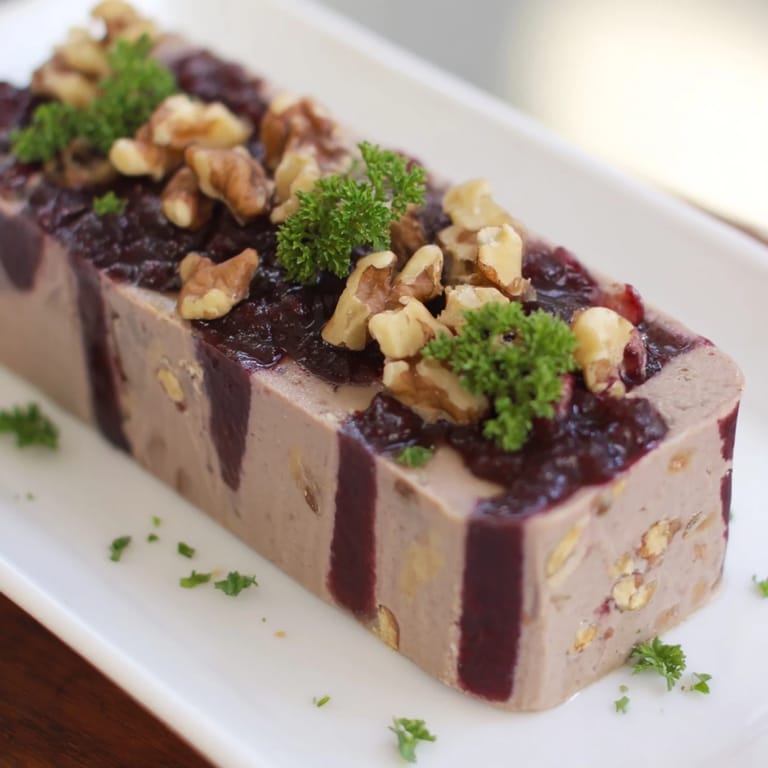
- Scatter half your hazelnuts and walnuts over the jam layer, pressing them down so they nestle in and vanish under the surface. This is the secret—some nuts visible, some hidden, all delightful.
- Create depth:
- Layer the remaining pâté on top, then repeat with the rest of your jam and nuts. The second layer should look like the first one—balanced, inviting, with that mixture of buried and revealed texture.
- Finish it:
- Smooth the very top with a spatula so it looks polished, then scatter a few extra nuts and chopped herbs as a final flourish. This garnish tells people something special is happening inside.
- Serve and share:
- Arrange your toasted bread, crackers, or vegetable sticks around the dish. The moment someone takes that first bite and discovers what's underneath is worth the fifteen minutes of assembly.
 Save
Save I served this to my grandmother once, who spent most of her life thinking fancy food meant complicated food. She had three bites and said, 'Well, this is clever,' which is the highest compliment she's ever paid anything I've made. That's when I realized The Velvet Underground wasn't about impressing people—it was about the small joy of discovering something unexpected in something beautiful.
Assembly as Theater
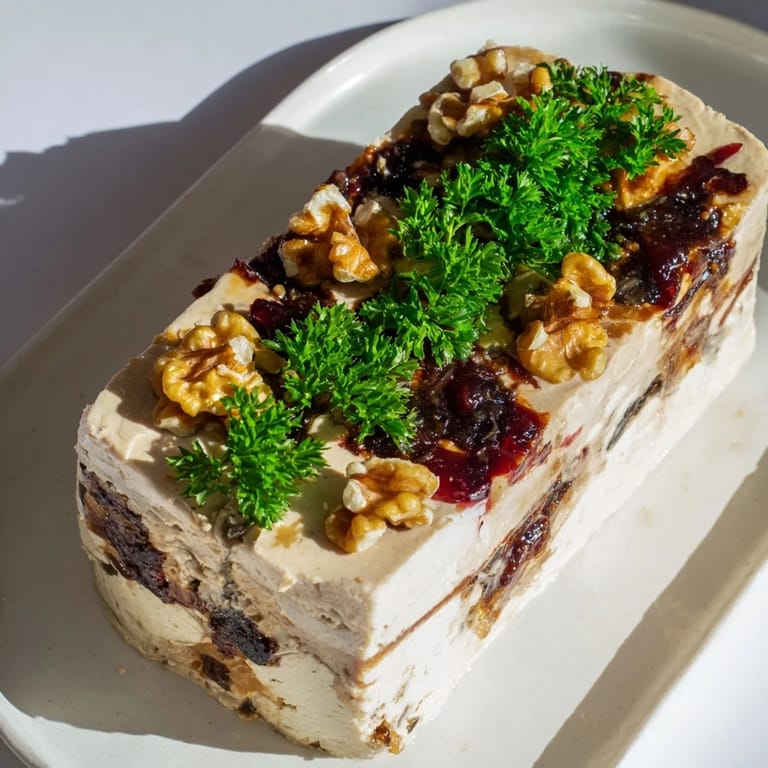
The appeal of this dish lives partly in how it comes together. There's a real pleasure in building these layers, knowing you're creating textural anticipation. Watch people's faces when they bite into it and suddenly encounter a walnut or hazelnut buried in cream and jam—that moment of surprise is something no recipe can guarantee, but good layering can orchestrate it beautifully.
Playing with Flavor Combinations
Fig and blackcurrant is a starting point, not a rule. I've made versions with cherry jam and raspberry, with apricot and plum. The key is mixing a deeper, more complex jam with something tart enough to balance the pâté's richness. If you're serving this alongside wine, think about what you're pouring—a chilled Sauternes or Pinot Noir makes the sweetness of the jam sing without competing.
Making It Your Own
The beauty of The Velvet Underground is how adaptable it is to what you have on hand and who you're serving. Nut allergies? Swap in pumpkin or sunflower seeds for the same crunch. Vegetarian concerns? Chickpea-based pâtés work, though they need a slightly lighter touch when spreading. The structure stays the same—creamy, sweet, surprising—but the details can flex.
- Chop your nuts right before assembly so they don't have time to oxidize or turn bitter.
- If layering in individual ramekins instead of one dish, do it gently so the layers don't slip against each other.
- Make this up to 3 hours ahead, cover it loosely, and let it chill—the flavors actually deepen and the layers set, making slicing much cleaner if you want neat portions.
 Save
Save This is the appetizer you make when you want people to know they matter, without having to spend the whole day proving it. A little velvet, a little crunch, a little surprise—the rest takes care of itself.
Common Questions
- → What type of pâté is best for this dish?
Smooth duck or chicken liver pâté works best to provide a creamy base that complements the sweet and nutty layers.
- → Can I substitute the nuts for allergies?
Yes, seeds like pumpkin or sunflower seeds can be used to replace nuts for a nut-free variation without compromising texture.
- → Are there alternative jams that work well?
Cherry or raspberry jams add sweet and tart notes that enhance the flavor complexity beyond the fig and blackcurrant options.
- → What are good serving suggestions?
Serve with toasted baguette slices, gluten-free crackers, or vegetable sticks for easy enjoyment and added crunch.
- → How should this dish be presented?
Layer the pâté, jams, and nuts neatly in a shallow dish or ramekins, finishing with fresh herbs for an elegant touch.