 Save
Save There's something about arranging a mezze platter on a warm afternoon that makes you feel like you're hosting something special, even if it's just an impromptu gathering. I discovered this particular combination while sitting on a friend's sun-soaked balcony in Athens, where the food arrived not all at once but in beautiful, unhurried clusters across a weathered wooden board. The simplicity of it struck me—no cooking required, just thoughtful placement and the kind of colors that practically glow in natural light. That moment changed how I think about entertaining; it's not about complexity, it's about creating a scene that invites people to linger and share.
I remember pulling this together for a last-minute book club gathering, convinced I'd forgotten something important because it seemed too easy. My neighbor happened to drop by early and caught me arranging vegetables like I was composing a still life, and she laughed—until she tasted it and asked for the recipe. That's when I realized the magic wasn't hidden; it was right there in the honest flavors and the care taken in presentation.
Ingredients
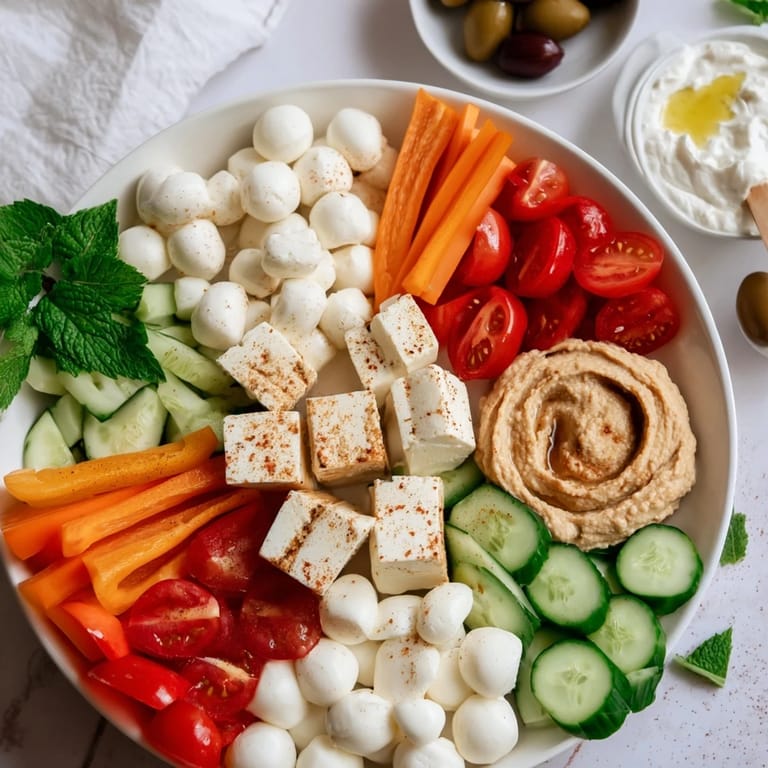
- Feta cheese, 150g, cut into cubes: Look for blocks rather than pre-crumbled; they hold their shape better and taste fresher once you've cut them yourself.
- Fresh mozzarella balls (bocconcini), 100g, drained: Pat them dry before arranging—excess moisture will make the board look wet rather than inviting.
- Cucumber, 1 large, sliced into rounds: Use English cucumbers if you can; they have thinner skin and fewer seeds, making for a cleaner presentation.
- Cherry tomatoes, 1 cup, halved: Choose a mix of red and yellow if possible; the variation makes the platter visually richer.
- Yellow bell pepper, 1, sliced into strips: The brightness of yellow catches light in a way that makes the whole board feel more alive.
- Red onion, 1/2, thinly sliced: Soak it in ice water for 5 minutes if you find it too sharp; it becomes sweeter and more pleasant to eat.
- Radishes, 1/2 cup, sliced: These add a peppery snap that cuts through the richness of the cheeses beautifully.
- Kalamata olives, 1/2 cup, pitted: Buy them pitted to save yourself frustration mid-platter; nobody wants to fish for pits while eating.
- Hummus, 1/3 cup: Make your own if you have time, but a quality store-bought version works wonderfully here.
- Tzatziki, 1/3 cup: The cooling effect of yogurt and cucumber balances the saltiness of the feta and olives perfectly.
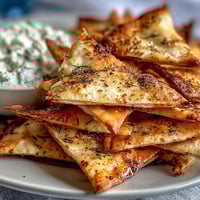
- Crispbreads or pita wedges, 1 cup assorted: Toast pita yourself for better flavor and texture control.
- Extra virgin olive oil, 2 tbsp: This is where quality matters; a good olive oil brings everything together with grace.
- Fresh mint and dill sprigs, for garnish: These aren't decorative afterthoughts—they add brightness and help the herbs mingle with each bite.
- Sea salt and cracked black pepper, to taste: The texture of cracked pepper matters; it catches light and adds visual interest.
Tired of Takeout? 🥡
Get 10 meals you can make faster than delivery arrives. Seriously.
One email. No spam. Unsubscribe anytime.
Instructions
- Start with your canvas:
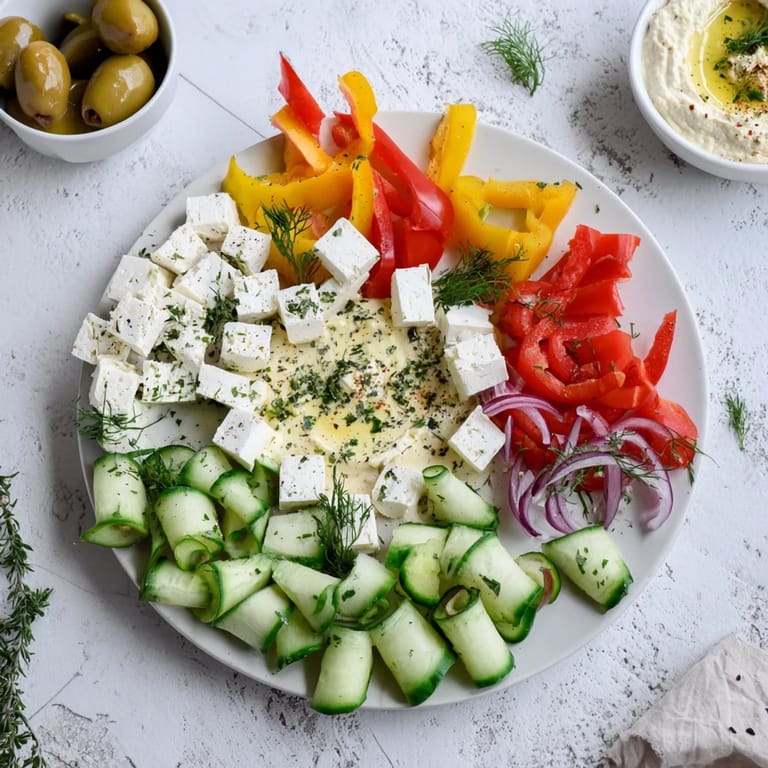
- Choose a large platter or wooden board and step back to imagine how the colors will flow across it. The space you leave empty is as important as what you place; those gaps let each element breathe and make the whole thing feel intentional rather than crowded.
- Anchor with cheese:
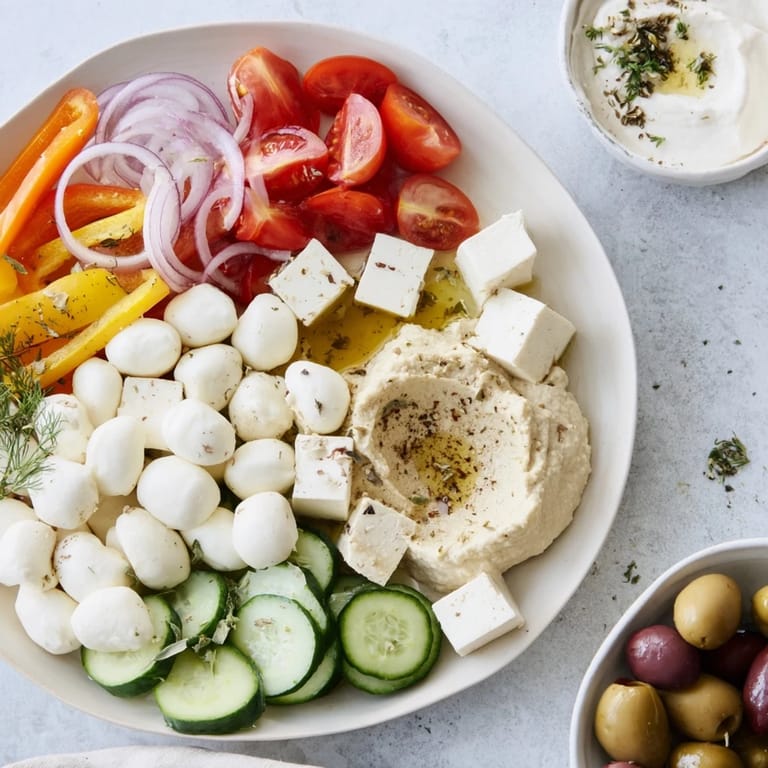
- Place the feta cubes and mozzarella balls in opposite corners or along different edges, giving them room to stand out. Their whiteness will frame everything else and create natural visual anchors for the eye.
- Layer in the vegetables:
- Fan out your cucumber slices in one area, creating a gentle arc. Cluster the tomato halves nearby, then add the bell pepper strips and radish slices in their own small groups; think of it like creating little neighborhoods rather than mixing everything together.
- Nestle the olives:
- Pour them into a small bowl so they don't roll around and disrupt your arrangement, but leave them accessible—they're often the first thing to disappear.
- Finish with oils and herbs:
- Drizzle the feta and vegetables with olive oil, then shower everything with sea salt and cracked black pepper. The salt won't stick well if the board is too dry, so this final oiling helps it adhere and glow.
- Crown with garnish:
- Scatter mint and dill sprigs across the board like you're adding the final brushstrokes to a painting. They should feel placed, not arranged; slightly loose and organic.
 Save
Save The first time someone told me this wasn't really cooking, I almost felt defensive—until I realized that's exactly why it's powerful. It's a reminder that hospitality doesn't require hours at the stove; sometimes it just requires presence and intention. There's something deeply generous about taking the time to arrange food thoughtfully, to say without words that someone is worth creating beauty for.
The Art of Spacing
Spacing on a mezze board isn't just about aesthetics; it changes how people eat. When items are clustered tightly, diners feel rushed and grab randomly. When there's breathing room between each element, people slow down, make intentional choices, and actually taste the contrast between the creamy cheese and the crisp pepper. I learned this by accident when I ran out of vegetables halfway through arranging and had to spread what I had further apart—and it was actually better. The board felt more sophisticated, more inviting. Less is often more with food presentation, and this is one of those dishes that proves it.
Building Flavor Layers
The beauty of this platter is in how each component supports the others without competing. The briny olives make you crave the cool cucumber; the creamy feta makes the radish's peppery bite more interesting; the herbs tie it all together into something that feels coherent rather than random. I've noticed that when people graze from this board, they naturally construct little flavor combinations—a bit of hummus, some feta, maybe a tomato and a cucumber slice. You're giving them the building blocks, and they're creating their own perfect bite each time.
Make It Your Own
This isn't a rigid formula; it's a framework that invites improvisation. In summer I add fresh strawberries or peaches for unexpected sweetness; in winter I include roasted red peppers or marinated artichoke hearts for deeper flavor. The core spirit stays the same—fresh, vegetarian, uncomplicated—but the details shift with seasons and what looks good at the market. The best version is always the one that reflects what you have access to and what sounds good to you right now.
- If you want a vegan version, swap the feta and mozzarella for marinated tofu or quality plant-based cheeses.
- Add a small bowl of good quality extra virgin olive oil mixed with fresh lemon juice as a finishing dip.
- Remember that this tastes even better when ingredients have been lightly chilled before serving.
 Save
Save What started as a quick lunch on a friend's balcony has become my go-to for almost any gathering. It says, come sit with me, take your time, there's no rush—and somehow that simple act of slowing down together is what people remember.
Common Questions
- → What cheeses are used in this platter?
Feta cheese cut into cubes and fresh mozzarella balls (bocconcini) provide creamy and mild textures.
- → How should the vegetables be prepared?
Vegetables like cucumber, cherry tomatoes, bell pepper, onion, and radishes should be sliced or halved neatly for easy picking.
- → Are there any suggested garnishes?
Fresh mint and dill sprigs add herbal brightness, while a light drizzle of extra virgin olive oil enhances flavor.
- → What dips complement this spread?
Hummus and tzatziki provide smooth, creamy accents to the crisp vegetables and cheeses.
- → Can this platter accommodate dietary restrictions?
Yes, use gluten-free crispbreads or pita, and consider plant-based cheese alternatives for a vegan-friendly option.