 Save
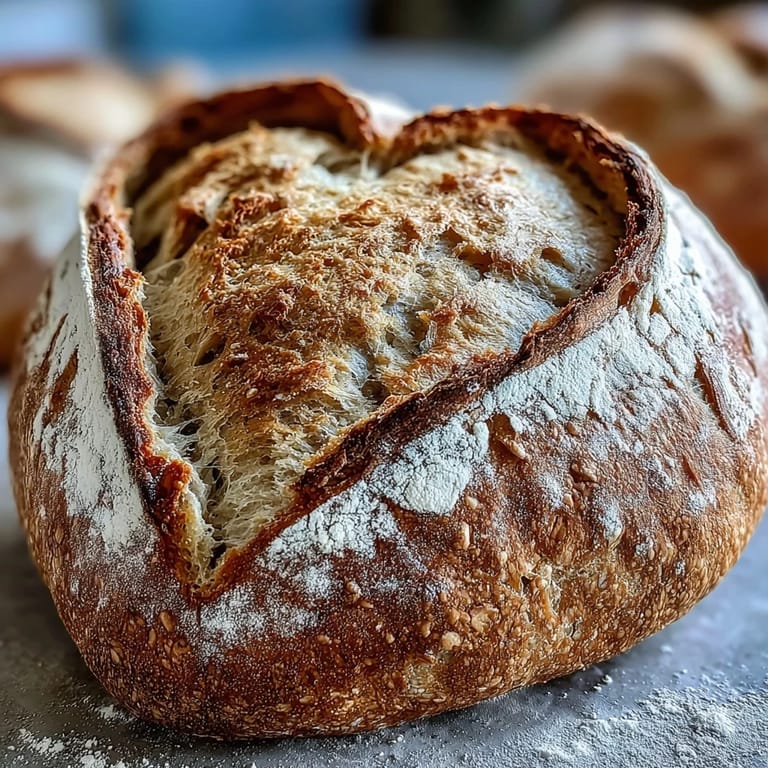
Save Last February, my partner mentioned wanting something special for breakfast on Valentine's Day, and I found myself elbow-deep in sourdough starter at midnight, suddenly obsessed with the idea of heart-shaped bread. The kitchen smelled like fermented flour and possibility, and somewhere between the stretch-and-folds and the cold proof overnight, I realized I wasn't just making bread—I was making a moment. These loaves turned out so perfectly that we almost didn't want to cut into them, which is saying something for someone who lives to eat fresh bread.
I've since made these for a small brunch gathering, and watching my friends' faces when they realized the bread was shaped like a heart—before even tasting it—was worth every minute of the process. One guest asked if they were vegan, and I loved explaining that sourdough magic requires nothing but flour, water, salt, and time, which somehow made the whole thing feel more special.
Ingredients
- Active sourdough starter (100 g): This needs to be fed and bubbly, alive and ready to work; if your starter feels sluggish, give it an extra feeding a few hours before you begin.
- Bread flour (350 g): The protein content here creates that beautiful, chewy structure that sourdough lovers crave, though you can substitute with all-purpose if that's what you have on hand.
- Whole wheat flour (50 g): Just enough to add subtle earthiness and complexity without overpowering the delicate tang of the sourdough.
- Water at room temperature (280 g): Temperature matters more than you'd think; cold water slows fermentation unpredictably, so let it sit out for an hour if it's come straight from the fridge.
- Fine sea salt (8 g): Don't skip this or cut back; it's the backbone that brings everything into focus and strengthens the gluten network.
- Rice flour for dusting: This prevents sticking during scoring without absorbing into the crust like regular flour would, and it creates that beautiful, dusty finish you see in bakery photos.
- Optional edible dried flowers or seeds: These are your chance to personalize; I've used dried rose petals, nigella seeds, and even a sprinkle of sesame for different occasions.
Tired of Takeout? 🥡
Get 10 meals you can make faster than delivery arrives. Seriously.
One email. No spam. Unsubscribe anytime.
Instructions
- Mix and rest your dough:
- Combine your starter, both flours, and water in a large bowl without worrying about neatness; just stir until everything is shaggy and incorporated. This autolyse period of 30 to 45 minutes lets the flour fully hydrate and actually makes the eventual kneading easier.
- Bring the salt into the party:
- Sprinkle the salt over the rested dough and mix it in thoroughly, working it with your hands or a wooden spoon until it's completely incorporated. The dough will feel slightly firmer once the salt is distributed, which is exactly what you want.
- Perform your stretch-and-folds:
- Wet your hand, grab one side of the dough, stretch it up and fold it over itself, then rotate the bowl and repeat from all four directions; do this sequence 3 to 4 times over the next two hours, with 30 minutes between each set. This builds strength without aggressive kneading and develops the gluten beautifully.
- Let it rise and double:
- Shape the dough into a loose ball and place it in a lightly oiled bowl, then cover with a damp towel and let it sit at room temperature for 4 to 6 hours until it's roughly doubled in size. You'll know it's ready when pokes gently spring back halfway, leaving a slight indent.
- Shape into hearts:
- Turn the dough onto a lightly floured surface, divide it in half, and here's where the fun begins: flatten each piece slightly with your hands, pinch the base into a soft point, and gently indent the top center with your thumb to create that classic heart dip. Work gently and resist the urge to add too much flour; it only makes everything tougher.
- Cold proof overnight:
- Place each heart into a floured proofing basket or a bowl lined with a well-floured kitchen towel, cover loosely with plastic wrap, and refrigerate for 8 to 12 hours. This slow, cold fermentation develops flavor and makes scoring easier because the dough is cold and firm.
- Preheat and prepare:
- Get your oven to 240°C (465°F) with a Dutch oven or baking stone inside; you want it screaming hot so the bread gets that initial oven spring that creates the open crumb. This takes about 30 to 45 minutes, so plan accordingly.
- Score with artistry:
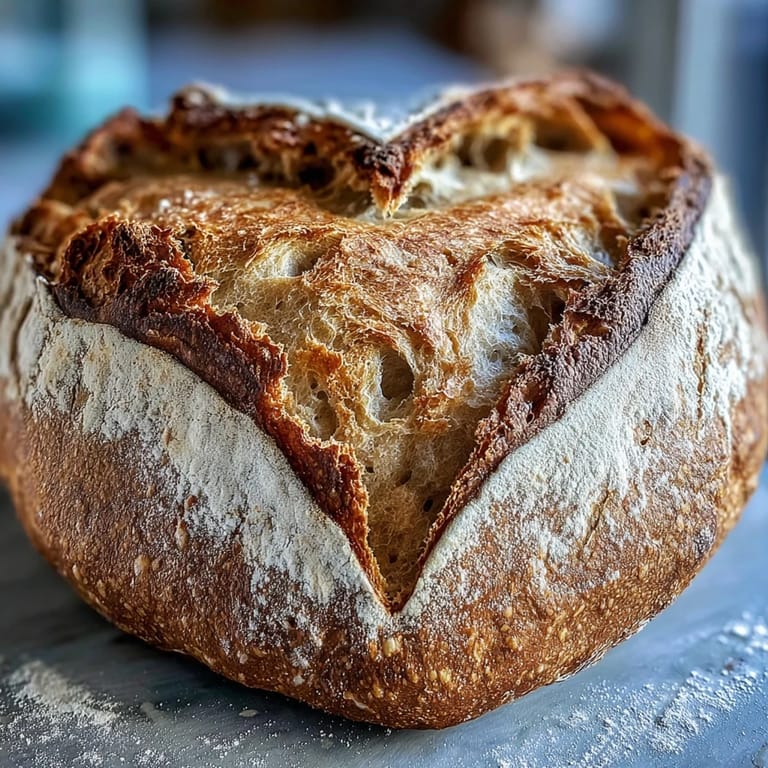
- Remove the cold dough from the fridge and carefully invert it onto parchment paper, dust generously with rice flour, then use a sharp lame or razor blade to score decorative patterns—think delicate lines that follow the heart shape, or little flourishes that make it Instagram-worthy. The cold dough won't stick to your blade like warm dough would.
- Bake with steam and patience:
- Transfer the parchment and dough into the hot Dutch oven, cover with the lid, and bake for 20 minutes to trap steam and encourage that beautiful crust. After 20 minutes, remove the lid and bake for another 15 minutes until the crust is deep golden and crispy, rotating halfway through if your oven has hot spots.
- Cool and finish:
- Let the bread cool completely on a wire rack—I know it's torture, but cutting into warm sourdough releases all the steam and the crumb won't set properly. Once it's cooled, dust it with any decorative edible flowers or seeds if you're feeling fancy, and your hearts are ready to share or admire.
 Save
Save There's something quietly magical about pulling a perfectly baked heart-shaped loaf from the oven and knowing that every step—the patience, the timing, the gentle shaping—came together exactly right. These breads have become my go-to when I want to show someone they matter, because food made with intention always tastes a little bit better.
Playing with Color and Flavor
If you want to take these hearts further, consider kneading beetroot powder into half the dough before shaping to create a subtle pink swirl that looks stunning when sliced. I've also had beautiful results with a touch of rye flour for earthiness or even a tiny pinch of cardamom for a whisper of warmth, though sourdough's natural tang is honestly enough on its own.
Serving and Pairing Ideas
These hearts shine on a Valentine's brunch table with cultured butter, good jam, or even a smear of honey and fresh ricotta. The open crumb absorbs toppings beautifully without falling apart, and there's something undeniably romantic about passing warm, fresh bread across a breakfast table.
Troubleshooting and Confidence Builders
If your dough spreads too thin when you turn it out, it's probably overproofed—next time, shorten either the room-temperature rise or the cold proof by an hour. If you end up with a dense crumb instead of open and airy, your stretch-and-folds might not have built enough gluten structure, so lean into those folds the next round.
- A stiff dough that's hard to shape is actually your friend; it holds its heart shape better than a wet, sticky dough.
- Keep your lame or razor blade sharp and cold; a dull blade drags instead of cuts, which ruins your score marks.
- Every oven is different, so if your first loaf bakes faster or slower than 35 minutes total, adjust your timing for round two and trust your instincts.
 Save
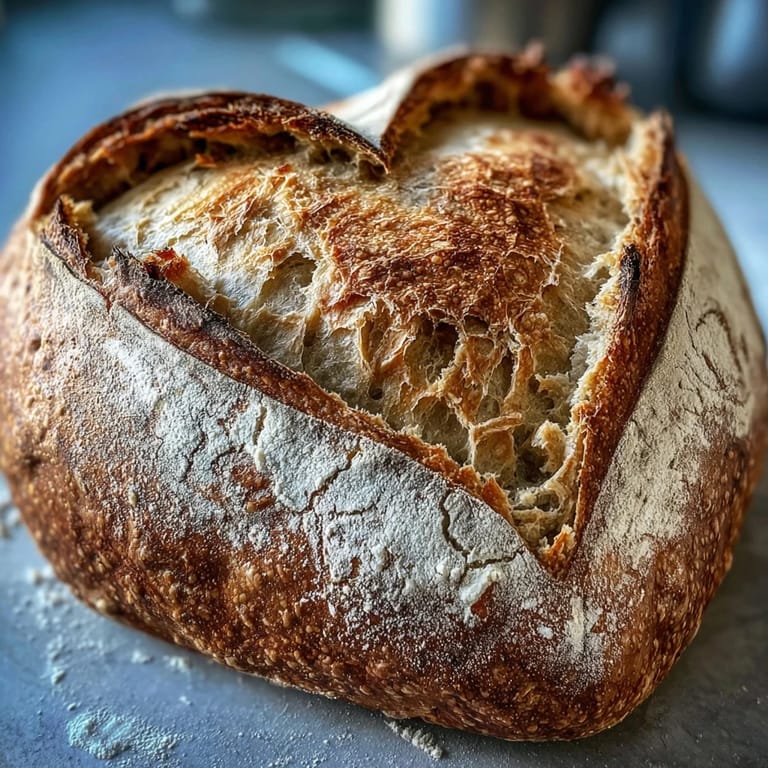
Save Making these sourdough hearts taught me that the best kitchen moments aren't always about the final result—they're about the process, the intention, and the joy of creating something beautiful to share. I hope these turn out perfectly for you.
Common Questions
- → How do you shape the heart form?
After the final rise, divide the dough and flatten each piece slightly. Pinch the base to create a point and indent the top center to form a heart shape before proofing.
- → What is the purpose of the cold proofing step?
Cold proofing overnight in the refrigerator develops flavor and helps achieve an open crumb and a crisp crust.
- → Can I add decorations safely?
Yes, edible dried flowers or seeds can be gently placed on the dough before baking for a natural decorative effect.
- → What flour types are used in the dough?
A combination of bread flour and whole wheat flour creates the right balance for texture and flavor.
- → How should the sourdough starter be prepared?
Use an active, bubbly starter that has been recently fed to ensure good fermentation and rise.
- → Can beetroot powder be incorporated?
Yes, kneading beetroot powder into half the dough before shaping creates a natural pink swirl in the bread.