 Save
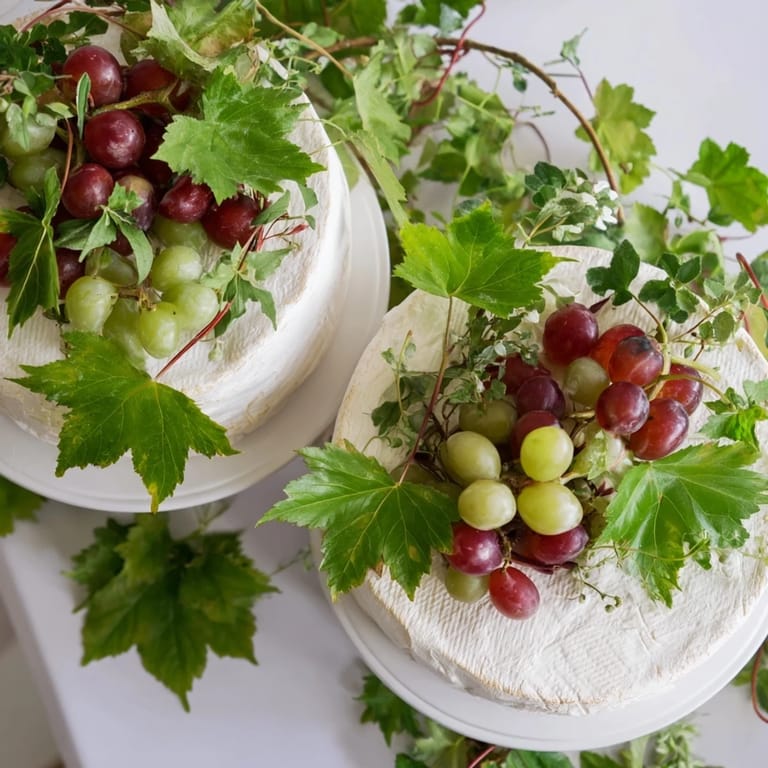
Save There's something about walking through a vineyard in late summer that changes how you think about food. The vines hang heavy with fruit, the leaves catch golden light, and you realize beauty and sustenance don't need to compete. When I first arranged grapevines over wheels of young cheese, I wasn't trying to be fancy—I was trying to capture that exact feeling of abundance on a board. It worked.
I made this for the first time when my aunt mentioned she'd found untreated grapevines at a local farm. I had half a wheel of soft farmhouse cheese sitting in my fridge, some clusters of red grapes, and maybe thirty minutes before people arrived. Instead of panicking, I draped those vines like I was staging a scene, and something clicked. Everyone gathered around the board without being told to, picking and talking and laughing. Nobody thought about whether the presentation was perfect. They were too busy tasting.
Ingredients
- Young, rustic cheese (2 large wheels, about 1.5 kg each): Look for tomme, young pecorino, or farmhouse varieties with that soft, slightly chalky center. Avoid overly refined cheeses—this dish celebrates rough edges and honest flavors.
- Fresh grapevine branches (3–4 long, untreated): Organic and pesticide-free is non-negotiable here. The leaves are actually edible and slightly tangy, which people don't expect.
- Fresh grapes (500 g, mixed colors if possible): Keep them on the stem for visual impact and because it's easier for guests to grab them. They provide that clean, sharp contrast to the cheese.
- Rustic bread (1 baguette or country loaf, sliced): Day-old bread has better texture and stands up to cheese better than fresh.
- Nuts (100 g assorted, optional): Walnuts and almonds add crunch and earthiness. Toast them lightly if you have time.
- Dried fruits (100 g, optional): Figs and apricots bring sweetness and chewiness that rounds out the salty cheese and tart grapes.
Tired of Takeout? 🥡
Get 10 meals you can make faster than delivery arrives. Seriously.
One email. No spam. Unsubscribe anytime.
Instructions
- Lay the vines like a natural foundation:
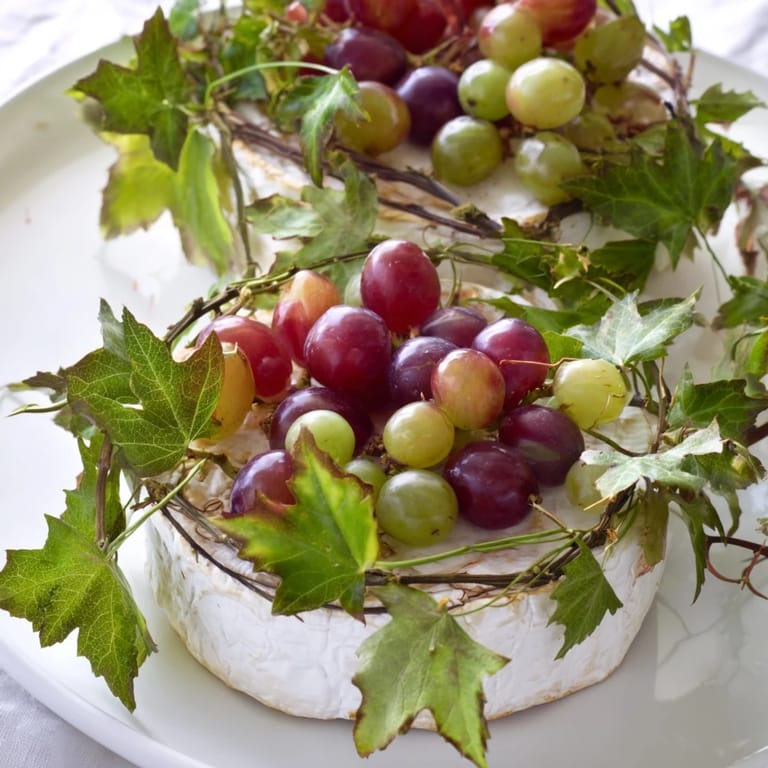
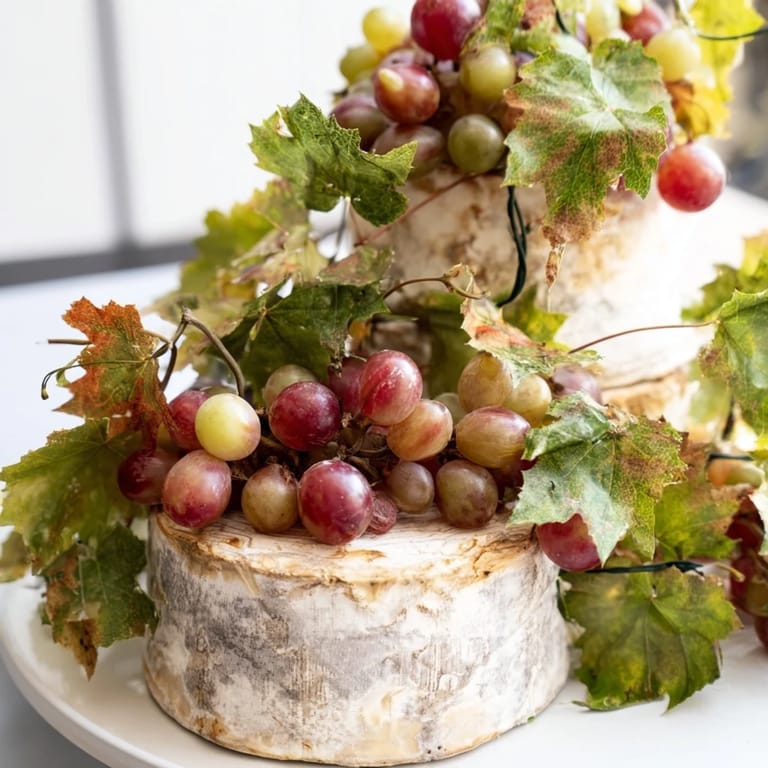
- Place your wooden board or platter in front of you and arrange the grapevine branches loosely over the cheese wheels. Don't overthink it—let the branches fall naturally, with leaves draping at different heights. You're creating layers and depth, not a rigid pattern.
- Nestle the grapes into the vines:
- Tuck clusters of fresh grapes where the vines meet the cheese, in the gaps between branches, and around the edges. They'll catch light and add pops of color that make the whole board feel alive.
- Build out the board:
- Arrange bread slices in a casual cluster to one side, leaving space for movement. Scatter nuts and dried fruits in small piles, treating them as accents rather than the main event.
- Serve and invite sharing:
- Bring it to the table at room temperature with a sharp cheese knife nearby. Let people cut wedges and compose their own bites—cheese, grape, bread, maybe a walnut.
 Save
Save The moment I'll remember is when my sister picked up a single grape leaf, tasted it, and laughed. She said it was tart and alive, and that she'd never thought of vines as food before. That's when I realized this dish isn't just about presentation—it's about showing people that generosity and beauty taste the same.
Choosing Your Cheese
The cheese makes or breaks this board. Young, rustic wheels have a softness and slight tang that feels genuine, not polished. I learned this the hard way by trying an aged, harder cheese first—it tasted brilliant, but it looked cold on the board, even with vines over it. The younger cheese photographs better, sure, but more importantly, it invites people to cut generous slices and taste something alive and recent. Farmhouse varieties from local producers often hit that sweet spot of affordability and character.
The Vineyard Moment
Grapevines are a full sensory experience. The leaves smell green and slightly mineral when you handle them. They drape with a natural weight that feels purposeful without effort. Fresh grape branches remind you that you're not decorating with something inert—you're laying down part of a living plant that produced the fruit on your board. It's a conversation starter every single time, and it shifts the whole mood from fussy to grounded.
Making It Your Own
The beauty of this dish is its flexibility. If you can't find long grapevine branches, use large grape leaves arranged underneath and over the cheese. If you want to add honey or drizzle the cheese with good olive oil, do it. I've seen people add sliced prosciutto or small bowls of honeycomb. The rules are loose because the concept is strong—you're building a board that feels like you walked into a vineyard and set down what you found.
- Crisp white wines and light reds pair beautifully, as do sparkling wines if you want to celebrate.
- Make this in any season, but it feels most natural in late summer and early fall when grapes are at their peak.
- Assemble no more than an hour before serving so the bread stays crisp and the cheese doesn't sweat.
 Save
Save This dish reminds you that some of the most memorable meals aren't complicated. They're just honest—good cheese, ripe fruit, bread, and the care you took to make people feel welcome. Serve it and watch what happens.
Common Questions
- → What types of cheese work best for this dish?
Young, rustic cheeses such as tomme, pecorino, or farmhouse varieties work well due to their mild yet earthy flavor and sturdy texture.
- → Can grape leaves substitute grapevines?
Yes, if untreated grapevine branches aren't available, fresh grape leaves can be used to achieve a similar lush presentation.
- → How should this dish be served?
Serve at room temperature to allow the cheese to soften slightly and the grapes to maintain their fresh juiciness.
- → Are there suggested accompaniments to pair with this display?
Sliced rustic bread, assorted nuts like walnuts or almonds, and dried fruits such as figs or apricots complement the flavors beautifully.
- → How to ensure grapevines are safe to use here?
Only use organic, untreated grapevine branches to avoid pesticides and ensure natural freshness.
- → What beverages pair well with this cheese and grape arrangement?
Crisp white wines or light reds enhance the natural flavors and balance the creamy texture of the cheese.