 Save
Save One afternoon, my neighbor handed me a small tin of hojicha powder with barely an explanation, just a knowing smile and the words "trust me." I stood in my kitchen that evening, uncertain but curious, watching the roasted tea swirl into hot water like a quiet transformation. That first sip changed how I thought about tea entirely—it wasn't delicate or grassy like I expected, but warm and toasty, almost like drinking a cozy embrace. Now whenever someone asks what makes a perfect chilly-day ritual, I think of that moment and this drink.
I made this for my sister on a rainy Tuesday when she showed up unannounced, tired from work and needing something that felt like care in a mug. Watching her close her eyes after that first sip, seeing the tension in her shoulders ease—that's when I realized this wasn't just a beverage, it was permission to pause. She's requested it every visit since, and now it's become our quiet tradition.
Ingredients
- Hojicha powder: This roasted green tea has a nutty, almost cocoa-like depth that regular green tea lacks; sift it first to avoid those stubborn little clumps that refuse to dissolve.
- Hot water: Around 80°C (175°F) is the sweet spot—too hot and the delicate roasted notes disappear, too cool and you'll be whisking forever.
- Milk: Dairy, oat, soy, or almond all work beautifully; the key is using enough to create that luxurious steamed texture that makes each sip feel indulgent.
- Sweetener: Honey and maple syrup add their own subtle flavors, but honestly, the roasted tea is sweet enough on its own if you let it be.
Tired of Takeout? 🥡
Get 10 meals you can make faster than delivery arrives. Seriously.
One email. No spam. Unsubscribe anytime.
Instructions
- Sift your powder:
- Run the hojicha through a fine mesh sieve into a small bowl—this tiny step prevents those disappointing gritty moments when you take a sip.
- Whisk into froth:
- Pour the hot water over the powder and whisk with intention, whether you're using a traditional bamboo whisk or whatever you have handy, until it's pale and foamy on top. You'll feel the difference when it's done—the resistance changes.
- Steam your milk:
- Heat the milk in a saucepan over medium heat until wisps of steam rise, then froth it with a milk frother or whisk until creamy and voluminous. If you don't have a frother, vigorous whisking works surprisingly well.
- Layer it up:
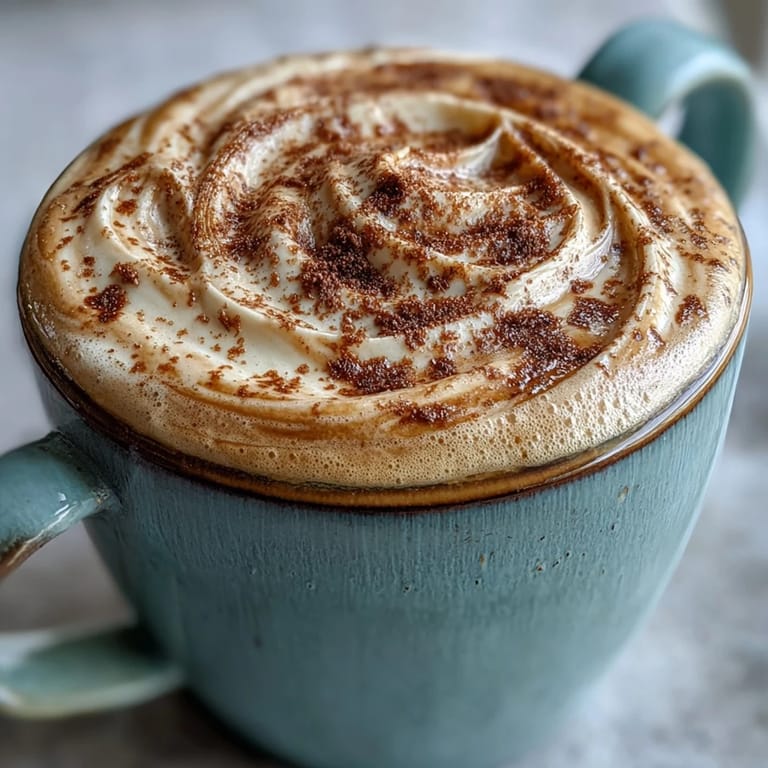
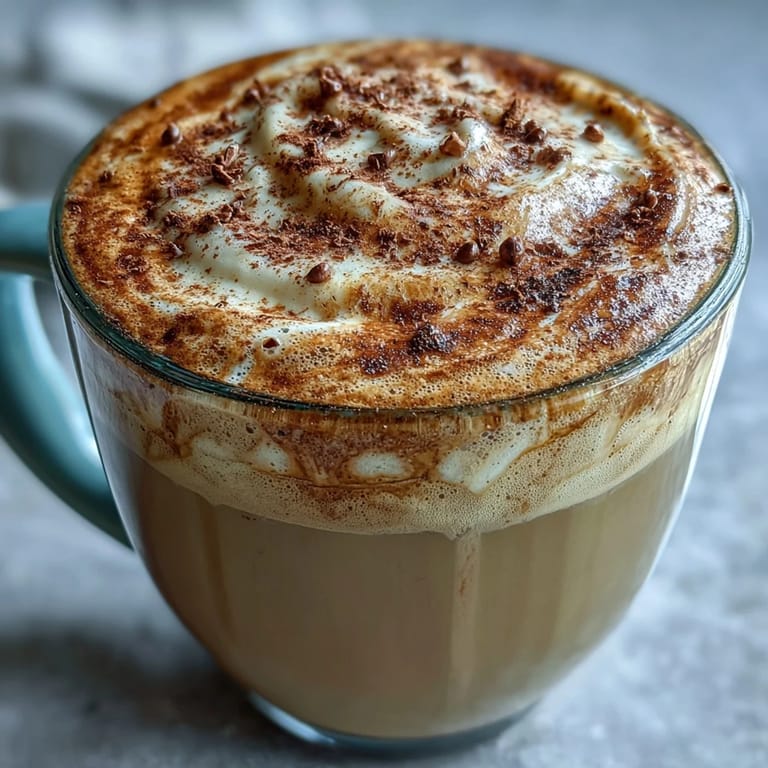
- Pour the hojicha base into two mugs, add sweetener if you're using it, then slowly pour the steamed milk while gently holding back the foam with a spoon, finishing with that silky foam on top.
- Serve and savor:
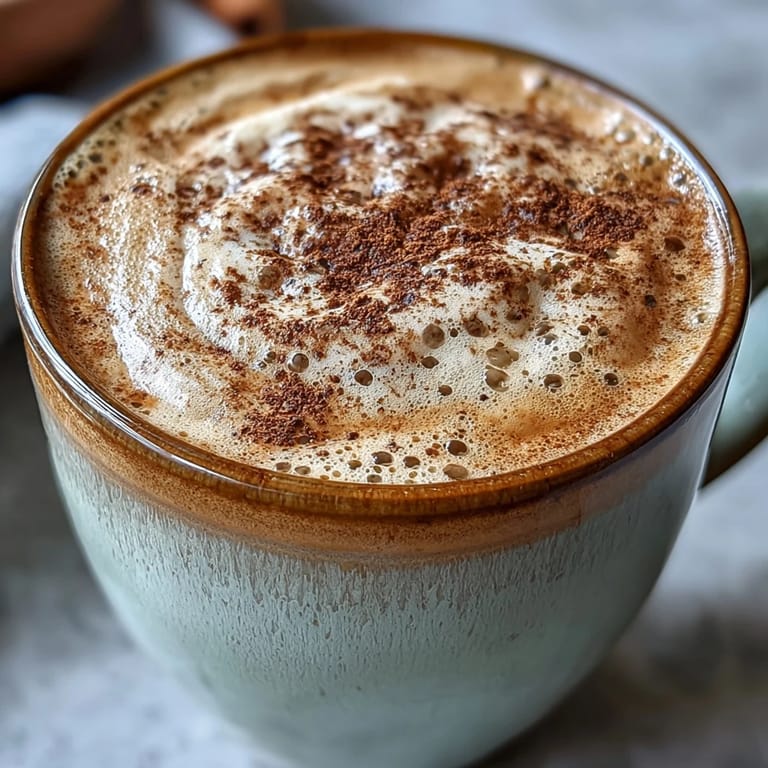
- A light dusting of hojicha powder on top isn't just pretty—it reminds you what you're drinking and adds a whisper of extra flavor.
 Save
Save There's something about hojicha that invites stillness. I realized this when my usually rushed mornings started shifting on the days I made this instead of grabbing something fast—my hands would slow down, my breathing would settle, and somehow the world felt a little kinder. It's strange how a warm drink can be both comfort and meditation.
The Magic of Hojicha
Hojicha is green tea that's been roasted, which sounds simple until you taste it and understand why Japanese tea masters have prized this for centuries. The roasting process transforms the tea completely—gone are the grassy notes, replaced instead with warm, toasted grain flavors and a hint of caramel sweetness. I learned that what makes hojicha special isn't just the taste but how it settles in your chest, how it feels like comfort without being heavy.
Making It Your Own
The beauty of this drink is how flexible it is, how it bends to your preferences without losing its soul. Some mornings I add barely any sweetener and let the roasted depth shine; other times I drizzle in maple syrup and feel like I'm treating myself to something indulgent. I've even experimented with a splash of vanilla or a pinch of cinnamon, and while the vanilla felt like gilding the lily, the cinnamon created this unexpected warmth that lingered.
Beyond the Morning Cup
What surprised me most was discovering that this drink works just as well as a wind-down ritual in the evening—there's almost no caffeine in hojicha, so it won't keep you awake, yet it still feels substantial and nourishing. I've served it to friends after dinner, to myself while reading on the couch, to my mom when she needed comfort after a difficult day. It became the drink I reach for whenever I need to feel held by something warm and good.
- If you're making this for guests, brew everything ahead and reheat gently just before serving to keep the froth perfect.
- Leftover hojicha powder keeps for months in an airtight container away from light, so buy the good stuff without guilt.
- A bamboo whisk (chasen) is inexpensive and makes the whisking feel like an actual tea ceremony, not just a chore.
 Save
Save This drink has become my quiet rebellion against rushing, my small daily act of saying yes to slowness. Whether you're new to hojicha or returning to it after years, I hope it brings you the same gentle peace it's brought to my kitchen and my mornings.
Common Questions
- → What makes hojicha different from other green teas?
Hojicha is roasted green tea that undergoes high-heat roasting, resulting in a reddish-brown color and distinct toasty, nutty flavor profile. The roasting process reduces caffeine content significantly compared to other Japanese green teas like matcha or sencha, making hojicha gentler on the stomach and suitable for evening consumption.
- → Can I use regular green tea instead of hojicha powder?
While you can substitute with other green teas, the flavor profile will differ significantly. Hojicha powder specifically provides that roasted, caramel-like taste. Matcha will give a grassier, more bitter flavor, while loose-leaf hojicha can be steeped and strained, though it won't create the same creamy consistency as using the powder directly.
- → What milk works best for hojicha latte?
Whole dairy milk creates the creamiest texture and richest mouthfeel, but hojicha pairs beautifully with plant-based alternatives. Oat milk offers a natural sweetness and thick consistency that complements the roasted notes, while almond milk provides a lighter version. Coconut milk can add tropical undertones that enhance the toasty flavors.
- → Why should I sift the hojicha powder before whisking?
Sifting breaks up clumps in the powder, ensuring smooth incorporation with hot water and preventing lumpy texture in your finished beverage. This step is especially important for achieving that restaurant-quality silky consistency and allows the powder to dissolve more evenly when whisked.
- → How do I make an iced hojicha latte?
Brew the hojicha concentrate as directed with hot water, then allow it to cool completely. Fill glasses with ice cubes, pour the cooled hojicha over ice, and top with cold milk. For best results, chill your milk beforehand and consider reducing the sweetener slightly since cold beverages perceive sweetness differently than hot ones.
- → What's the ideal water temperature for brewing hojicha?
Water around 80°C (175°F) is optimal for hojicha. Unlike delicate green teas that require lower temperatures to prevent bitterness, hojicha's roasted nature allows for slightly hotter water without extracting harsh flavors. Boiling water can be cooled for about 2-3 minutes before pouring over the powder.